What Nobody Told Me Before Getting a Shepherd
I spent three months researching Rough Collies before I brought Winston home. I read two breed-specific books, joined three online forums, talked to four breeders, and watched approximately a hundred YouTube videos. I thought I knew exactly what I was getting into.
I was wrong about almost everything.
The breed guides told me Collies were gentle, intelligent, and good with children. All true. What they failed to mention was everything that made the first months genuinely difficult. The things I wish someone had sat me down and explained before I signed that puppy contract.
The Adjustment Period Is Longer Than You Think
Every resource I read suggested that puppies settle in within a few weeks. Some mentioned an adjustment period of two to four weeks. What I experienced was closer to three months of genuine disruption before things started feeling manageable.
During those three months, my sleep was consistently interrupted. My social life essentially paused. My house smelled like puppy even after obsessive cleaning. My couch had a permanent towel draped over it. My stress levels were higher than during any work deadline I had ever faced.
On day three, I called my breeder crying. I told her I had made a terrible mistake. I asked if she would take Winston back. She talked me through it, but that conversation happened. I genuinely considered giving him up before the first week was over.
If you are in that place right now, reading this during a sleepless night with a puppy who will not settle, know that it passes. Not quickly. Not easily. But it passes.
The Intelligence Is Not What You Expect
Herding breeds are consistently described as highly intelligent. I interpreted this to mean training would be easy. Winston would pick things up quickly. We would breeze through obedience basics.
What intelligence actually means is that your dog gets bored faster than you thought possible. It means he learns things you did not intend to teach. It means he figures out how to open the baby gate in three days. It means he understands cause and effect well enough to manipulate situations to his advantage.
Winston learned to sit on command within two sessions. He also learned that if he knocked over the treat container, treats would scatter, and some would end up under the couch where I could not reach them but he could. Intelligence cuts both ways.
"Collies do not just want to learn commands. They want to understand the whole system. If you are not one step ahead, they will run circles around you." My breeder was right about this, though I did not understand it until I lived it.
The Sensitivity Is Real and Challenging
I knew Collies were sensitive dogs. I thought that meant they would be attuned to my moods, cuddly when I was sad. That part is true. What I did not realize was how much their sensitivity affects training and daily life.
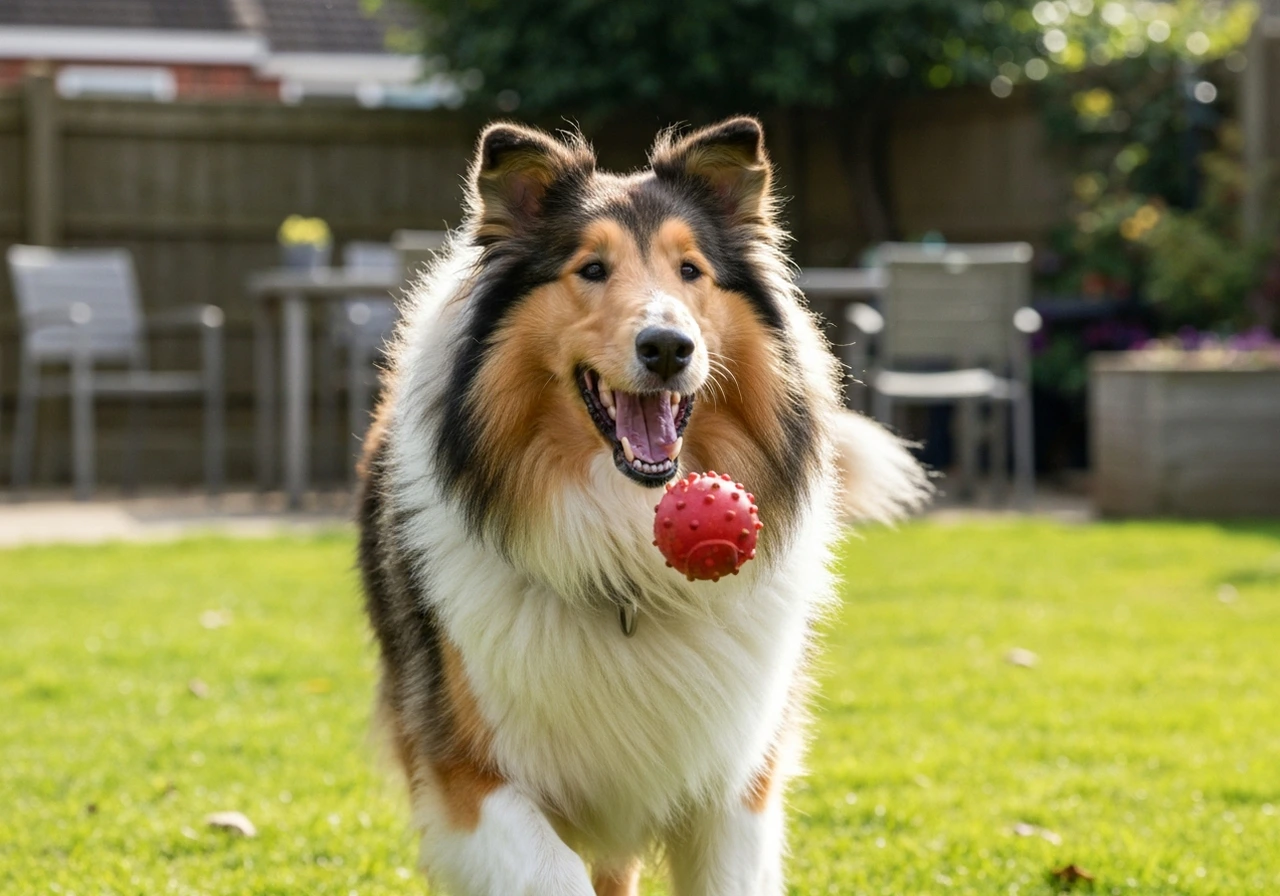
Winston can tell when I am frustrated before I can tell. If I repeat a command with even slightly more urgency in my voice, he shuts down. He will not try again. He looks away and refuses to engage. The first time this happened during a training session, I thought he was being stubborn. I pushed harder. He retreated further.
It took me two months to understand that with a sensitive herding dog, your emotional state matters more than your technique. A calm trainer with mediocre methods will get further than an upset trainer with perfect methods. No one told me this.
Exercise Needs Are About Mental Exhaustion
Everything I read emphasized exercise requirements. Hours of activity. Long walks. Running. I prepared for a physically demanding commitment. What I was not prepared for was that physical exercise alone makes things worse, not better.
During the first month, I walked Winston for an hour in the morning and an hour in the evening. He was still bouncing off the walls. He was actually getting harder to manage, not easier. I called my vet, convinced something was wrong.
She explained what no one had made clear: physically tired herding dogs are still mentally wired. The more you exercise them without mental stimulation, the more athletic and energetic they become. You end up with a marathon runner instead of a calm companion. The exercise requirements guide explains how to balance physical and mental activity properly.
Fifteen minutes of training or puzzle work settles Winston more than an hour of walking. I had to learn this through exhausting trial and error. The daily schedule I eventually developed prioritizes mental stimulation over physical exercise.
The Cost Is Higher Than Quoted
Before getting Winston, I researched costs carefully. I found estimates suggesting $1,500 to $2,500 for the first year. My actual first-year expenses exceeded $5,000, and I did not have any major health emergencies.
The replacement items category was the one I never planned for. Shoes, a corner of the couch, three dog beds that he outgrew or chewed through, a baby gate that bent, and a wooden chair leg. Puppies destroy things. Budget for it.
Your Life Genuinely Changes
I thought I understood that getting a dog would change my routine. I did not grasp how fundamental that change would be.

I could not stay late at work anymore. Happy hour invitations became complicated negotiations involving timing and dog sitters. Weekend trips required planning weeks in advance. Dating became almost impossible because every evening was structured around Winston's needs.
For the first six months, I did not travel at all. I could not board him because he was not fully vaccinated, and then because he was too anxious in new environments. I missed a family gathering and a friend's wedding because I could not find appropriate care. Better socialization earlier might have helped with the anxiety around new places.
I resented Winston sometimes. During the hardest months, I mourned my old life. I felt guilty about feeling that way, which made everything worse. This is normal. Acknowledging it helped me move through it.
The Bond Takes Time
Everyone told me I would fall in love instantly. Puppy cuddles, unconditional love, the whole picture. That is not what happened.
For the first two months, I felt responsible for Winston but not bonded to him. I cared for him because I had committed to caring for him. The deep attachment, the feeling people describe when they talk about their dogs, that came later. Much later.
The turning point for me was around month four. Winston had a minor illness, nothing serious, but seeing him uncomfortable made something shift. I realized I was not just responsible for him. I was invested in him. The bond had formed without me noticing.
What I Wish Someone Had Said
If I could go back and talk to myself the day before I picked up Winston, here is what I would say:
The first three months will be harder than anything you have read suggests. You will question your decision. You will feel overwhelmed, exhausted, and sometimes resentful. This does not mean you made a mistake. It means you are going through something genuinely difficult.
Your dog's intelligence is a challenge as much as an asset. Train your patience as much as you train your dog. Mental stimulation matters more than miles walked. The costs will exceed your estimates. Your life will change more than you expect.
And most importantly: the bond you are hoping for will come. Not immediately. Not on your timeline. But it will come, and when it does, you will understand why people do this.
Winston is six now. He comes to school with me. He helps children who struggle with reading. He has changed my life in ways I could not have imagined that first terrible week. If you are in the middle of the hard part right now, keep going. The other side is worth it.
For more on surviving those early days, read my guide to the first week. If you have made it past the initial adjustment and want to understand the ongoing commitment, check out my daily schedule.