Exercise Requirements: Keeping Your Shepherd Healthy and Happy
German Shepherds are working dogs. They were bred for demanding physical and mental tasks, and this heritage shapes their exercise needs. Understanding and meeting these needs is fundamental to living happily with the breed.
However, exercise requirements are not one-size-fits-all. Age, health, individual temperament, and conditioning all influence what your specific dog needs. This guide helps you understand exercise across your shepherd's life stages and provides practical strategies for meeting their needs.
Puppy Exercise: Less Than You Think
New owners often believe their energetic puppy needs extensive exercise to tire them out. This approach can cause serious harm. Puppy bones, joints, and growth plates are developing and are susceptible to damage from excessive exercise.
The General Guidelines
A commonly cited rule is five minutes of exercise per month of age, twice daily. A three-month-old puppy would get approximately fifteen minutes of structured exercise twice per day. This is a starting point, not an absolute rule, but it provides reasonable guidance.
This guideline applies to structured exercise like walks or fetch. Free play at the puppy's own pace, where they can start and stop as they choose, is different and generally safer because the puppy self-regulates. During the first week, focus on gentle adjustment rather than structured exercise.
Puppy Exercise Guidelines by Age
What to Avoid
Avoid forced running, especially on hard surfaces. Do not take your puppy jogging or biking alongside you until they are fully grown. Repetitive high-impact activities like jumping for frisbees should wait until skeletal development is complete, typically around eighteen months.
Watch for signs of fatigue. A puppy who lies down during a walk, lags significantly behind, or shows reluctance to continue has had enough. Pushing through these signs risks injury.
I made the mistake of over-exercising my first shepherd as a puppy. I thought his energy meant he needed more physical activity. A veterinarian explained that his excessive energy was actually over-tiredness, like an overtired toddler who cannot settle. Reducing exercise and enforcing naps transformed his behavior.
Adult Exercise Needs
A healthy adult German Shepherd typically needs one to two hours of exercise daily. This varies based on individual energy levels, conditioning, and activity type. Some shepherds are satisfied with less. Some seem to have unlimited energy.
Types of Exercise
Walking provides baseline physical activity and mental stimulation through environmental exploration. Most shepherds need at least two substantial walks daily, not just quick trips outside for elimination.
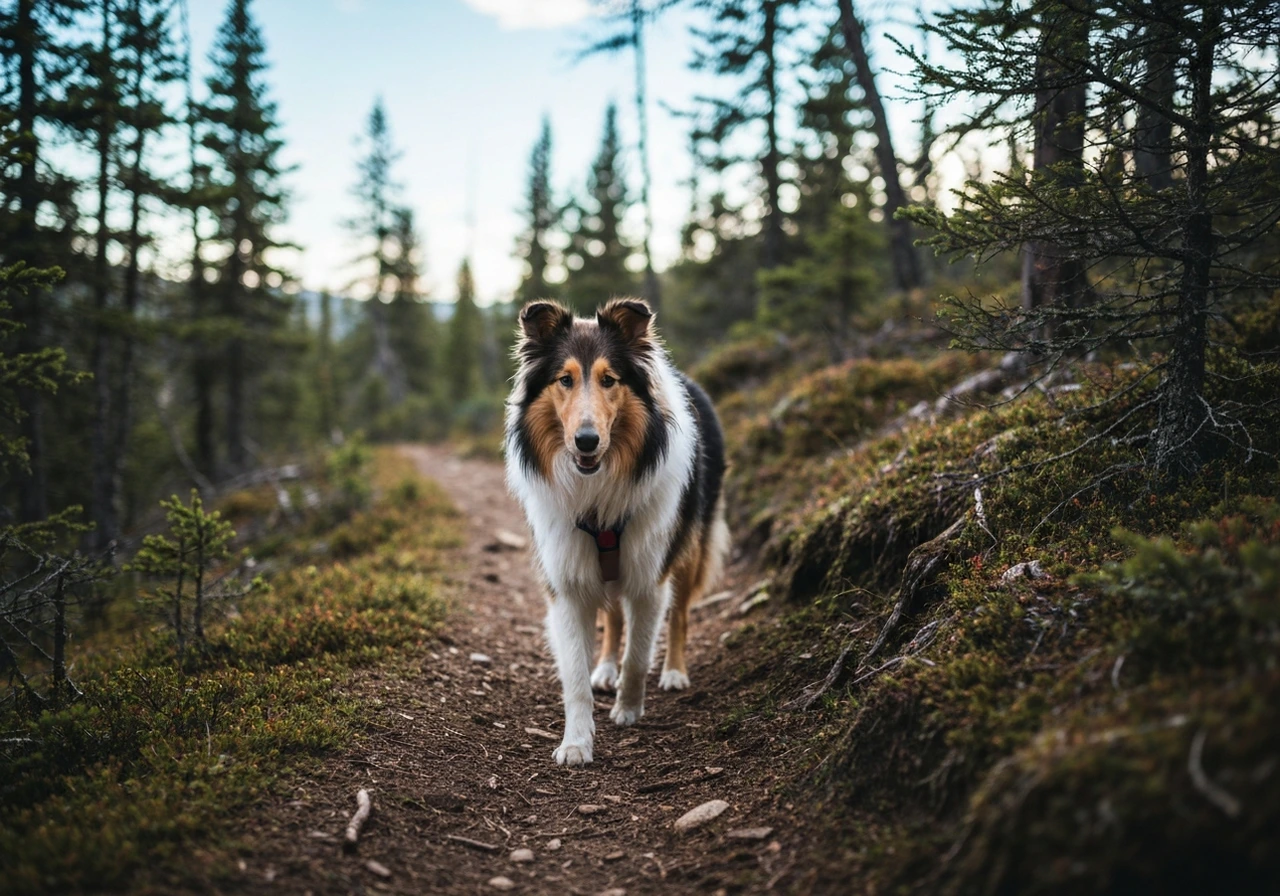
Running or hiking can supplement walks for conditioned dogs. Build endurance gradually, just as you would for yourself. Provide adequate water and watch for signs of overheating or fatigue.
Fetch and retrieving games provide efficient exercise, covering more ground in less time. However, these high-intensity activities should not be the only form of exercise. Vary the types of activity you provide.
Swimming offers excellent low-impact exercise that is easy on joints. Not all shepherds enjoy water naturally, but many can learn to appreciate it with positive introduction.
Structured activities like agility, tracking, herding, or competitive obedience combine physical exercise with mental engagement. These are excellent outlets for German Shepherds' working drives.
Mental Exercise
Physical exercise alone is not enough. German Shepherds need mental stimulation to be truly satisfied. A shepherd who has run for an hour but received no mental challenge may still be restless.
Training sessions engage the mind while building useful skills. Even brief daily training tires a shepherd more effectively than equivalent physical exercise.
Puzzle feeders and food toys turn meals into problem-solving sessions. Instead of eating from a bowl in seconds, your dog works for their food.
Nose work and scent games tap into natural abilities. Hide treats or toys for your dog to find. This can be done indoors on days when outdoor exercise is limited.
Novel experiences stimulate the brain. New walking routes, new environments to explore, and new challenges to solve all provide mental enrichment. The socialization guide explains how to introduce new experiences positively.
I split my shepherd's meals into puzzle toys for breakfast and training rewards for dinner. This approach provides built-in mental exercise twice daily without adding time to my schedule. The change from bowl feeding made a noticeable difference in his calmness throughout the day.
Signs of Insufficient Exercise
A German Shepherd who is not getting adequate exercise will let you know through their behavior. Common signs include:
Destructive behavior. Chewing furniture, digging holes, destroying household items often indicate pent-up energy seeking an outlet.
Excessive barking or whining. Vocalizations that seem purposeless may stem from frustration and boredom.
Hyperactivity and inability to settle. A dog who cannot relax, who paces or fidgets constantly, may need more physical or mental activity.
Attention-seeking behaviors. Jumping, mouthing, pawing, or otherwise demanding interaction can increase when exercise needs are unmet.
Weight gain. Insufficient exercise combined with regular feeding leads to weight problems that affect health and longevity.
Signs of Overexercise
Too much exercise, especially in puppies or dogs not conditioned for high activity levels, creates its own problems:
Limping or stiffness after activity suggests musculoskeletal strain. Rest and evaluate whether activity levels are appropriate.
Excessive panting or difficulty recovering from exercise may indicate cardiovascular stress or overheating.
Reluctance to exercise that was previously enjoyable can signal discomfort or injury.
Behavioral changes including increased irritability or decreased appetite after exercise warrant attention.
Exercise in Different Conditions
Hot Weather
German Shepherds have thick double coats that make them susceptible to overheating. During warm weather, exercise during cooler morning and evening hours. Provide frequent water breaks. Watch for signs of heat stress including excessive panting, drooling, weakness, or collapse.
Hot pavement can burn paw pads. Test surfaces with your hand before walking. If it is too hot for your hand, it is too hot for your dog's feet.
Cold Weather
German Shepherds generally handle cold well due to their coat. However, extreme cold, wet conditions, and ice still require consideration. Limit exposure in severe weather. Check paws for ice buildup between toes. Watch for signs of discomfort.
Limited Outdoor Access
When outdoor exercise is not possible, indoor alternatives help. Tug-of-war, indoor fetch with soft toys, training sessions, and puzzle toys can partially compensate. These are not complete substitutes for outdoor exercise but help manage energy during temporary restrictions.
Exercise for Senior Shepherds
As German Shepherds age, their exercise needs and capabilities change. Joint issues, decreased stamina, and general age-related changes require adjustments.
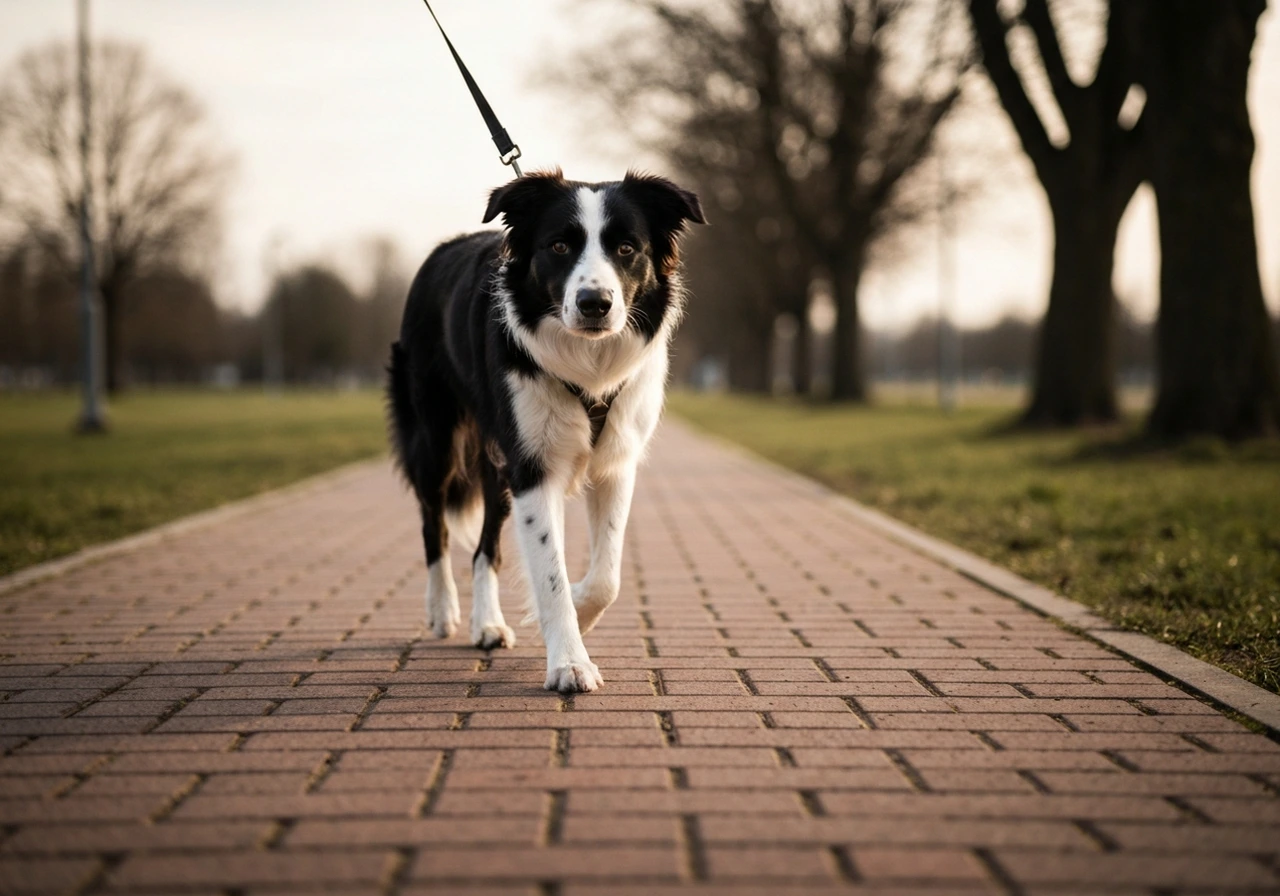
Maintain regular activity but reduce intensity. Multiple shorter walks may work better than fewer long ones. Low-impact exercise like swimming becomes particularly valuable. Continue mental stimulation, which remains important regardless of physical limitations.
Watch for signs that indicate discomfort with current activity levels. Stiffness after rest, reluctance to climb stairs, or difficulty rising may suggest arthritis or other conditions that warrant veterinary attention and exercise modification.
Regular veterinary check-ups become increasingly important as your shepherd ages. Your veterinarian can identify developing issues and provide guidance on appropriate exercise levels for your individual dog's condition.
Building an Exercise Routine
Consistency helps both you and your dog. Establishing a regular exercise routine sets expectations and ensures needs are met even on busy days.
Sample Adult Shepherd Daily Routine
This is one example. Your schedule will depend on your lifestyle, your dog's individual needs, and practical constraints. The key is finding a sustainable routine that meets your shepherd's requirements consistently.
When Exercise is Not Enough
Some behavioral issues are attributed to insufficient exercise when the real cause lies elsewhere. A dog who receives adequate physical and mental activity but still exhibits problem behaviors may have other underlying issues.
Anxiety, medical problems, lack of training, or inappropriate expectations can all produce behaviors that owners mistake for exercise deficiency. If increasing exercise does not resolve issues, consider other factors and consult professionals if needed.
For information on training that complements exercise, see training basics for the first month. If behavioral issues persist despite adequate exercise, the troubleshooting guide addresses common challenges.