One Year Later: What I Would Do Differently
On the anniversary of bringing Winston home, I sat in my living room with him sleeping at my feet and reflected on the year that had just passed. Twelve months of learning, struggling, adjusting, and eventually finding something that worked.
I wrote down everything I would do differently if I could start over. Not because the first year was a failure, Winston and I had found our way, but because so much of it was harder than it needed to be.
This is that list. The perspective that only comes from making it through.
I Would Start With Professional Help
This is the single biggest thing I would change. I waited until month four to hire a trainer, after I had already created problems that needed fixing.
If I could do it again, I would schedule a trainer before bringing the puppy home. I would have someone come to the house during the first week to assess my approach and correct course early. The money spent upfront would have saved money, time, and frustration later.
Beyond the money, early professional guidance would have prevented the behavioral issues I accidentally created. Problems are easier to prevent than to fix.
I Would Prioritize Rest Over Activity
My early approach was more, more, more. More walks. More stimulation. More experiences. I thought a tired puppy was the goal.
What I know now is that puppies need far more sleep than I was allowing. Winston was probably chronically overtired for the first few months. An overtired puppy is a hyperactive puppy, which I misread as needing more exercise. The exercise requirements guide explains how to balance activity and rest properly.
"Puppies need 18-20 hours of sleep. If your puppy seems wired, try enforcing a nap before adding more activity." My breeder told me this. I did not listen until much later.
If I started over, I would enforce nap times from day one. I would crate Winston after activity periods and let him sleep. I would stop worrying that he needed more when he actually needed rest.
I Would Trust the Process More
Every setback felt catastrophic in the moment. When Winston had an accident at month two, I panicked that he would never be house-trained. When he regressed during adolescence, I thought all our training was lost.
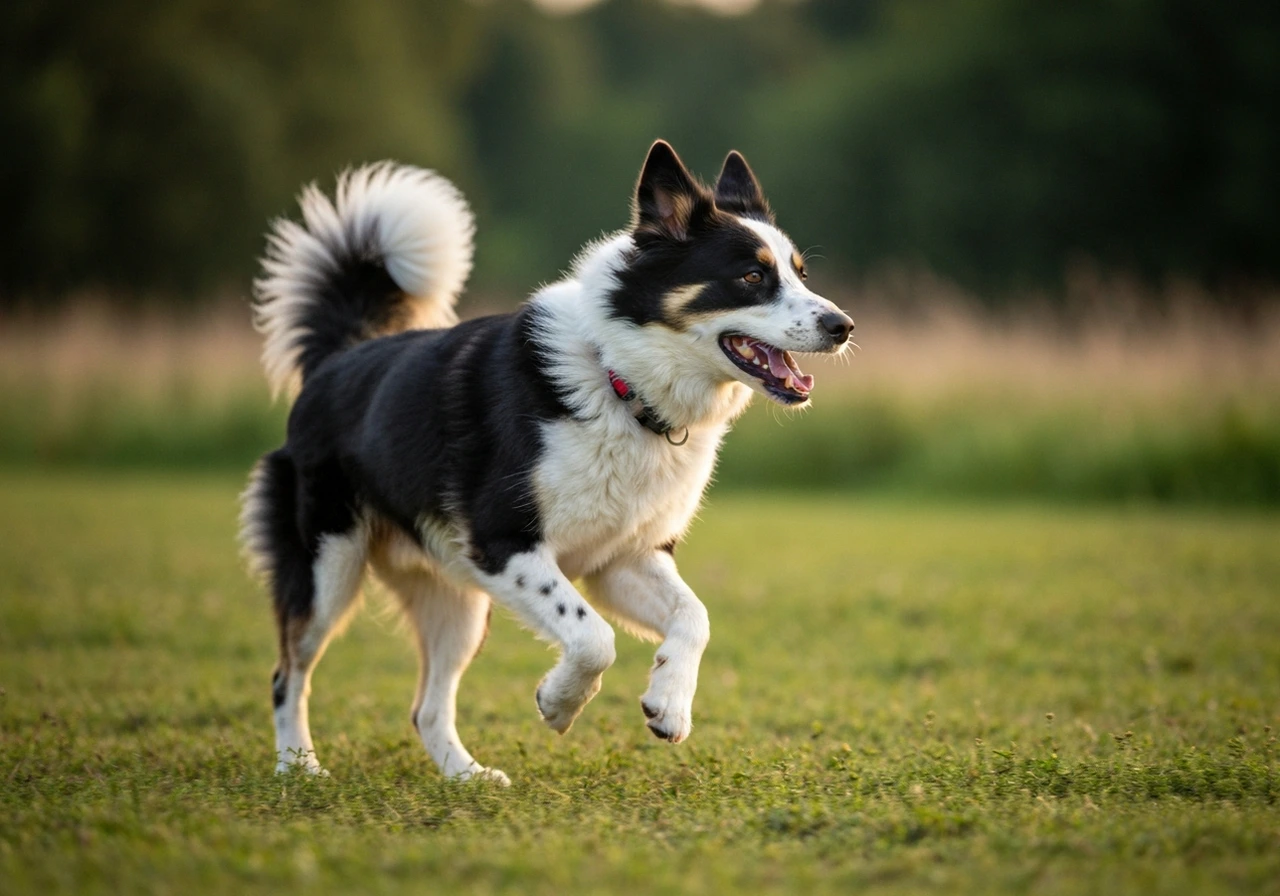
None of those fears came true. Every problem eventually resolved. The setbacks were temporary.
If I could go back, I would tell myself to breathe. To remember that training is measured in months, not days. To trust that consistency eventually pays off, even when progress is invisible.
I Would Build My Support Network First
I tried to do everything alone. I was embarrassed to admit I was struggling. I thought asking for help meant I was failing.
By month six, I was burned out and isolated. I had pushed away friends who tried to help. I had declined every offer of support because I thought I should be able to handle this. This burnout is common among new owners who underestimate the real time commitment involved.
Accepting help is not failure. It is how people with demanding dogs survive. I should have hired help earlier. I should have said yes when friends offered to watch Winston. I should have been honest about struggling instead of pretending everything was fine.
Now I have a dog walker who comes twice a week. A neighbor who takes Winston sometimes on weekends. A trainer I can call when questions arise. This network took a year to build. I wish I had started building it on day one.
I Would Do the Health Testing Immediately
I mentioned this in my mistakes article, but it bears repeating. Genetic testing should happen in the first month, not after a health scare.
Knowing Winston's MDR1 status, hip scores, and other genetic information would have made every vet visit simpler. It would have informed decisions about activities, medications, and long-term planning.
The testing cost around $150. The peace of mind and practical utility has been worth far more.
I Would Set Boundaries From the Start
In the beginning, I let Winston do whatever made him happy. Sleep in my bed. Climb on furniture. Demand attention whenever he wanted it.
By month three, I had a dog who expected these things and was upset when I tried to change the rules. Establishing boundaries later was harder than it would have been to set them initially.
This does not mean being harsh or rigid. It means deciding what the rules will be and maintaining them consistently from day one. Where will the dog sleep? What furniture is allowed? What behaviors get attention and what behaviors get ignored?
Decide the rules for the adult dog and start enforcing them with the puppy. It is easier to relax rules later than to tighten them.
I Would Document More
I wish I had kept a daily log during the first year. Not elaborate journaling, just quick notes. What did we work on? How did he respond? What changed?
Without documentation, it was hard to see progress. The changes happened so gradually that I often felt stuck when I was actually moving forward. Looking back at old notes or photos would have shown the improvement I could not see in the moment.
A simple phone note each day would have been enough. "Day 45: Walked past another dog without lunging for the first time." These moments of progress get lost without recording them.
I Would Be Gentler With Myself
I spent much of the first year feeling like a failure. Every accident. Every bad training session. Every moment when Winston did not behave the way I expected. I took all of it as evidence that I was doing something wrong.
I was not failing. I was learning. There is a difference.
First-time dog ownership, especially with a herding breed, is genuinely difficult. Struggling does not mean you are bad at this. It means you are going through something hard. The self-criticism I directed at myself made everything worse.
What I Got Right
It was not all mistakes. Some things I would do exactly the same:
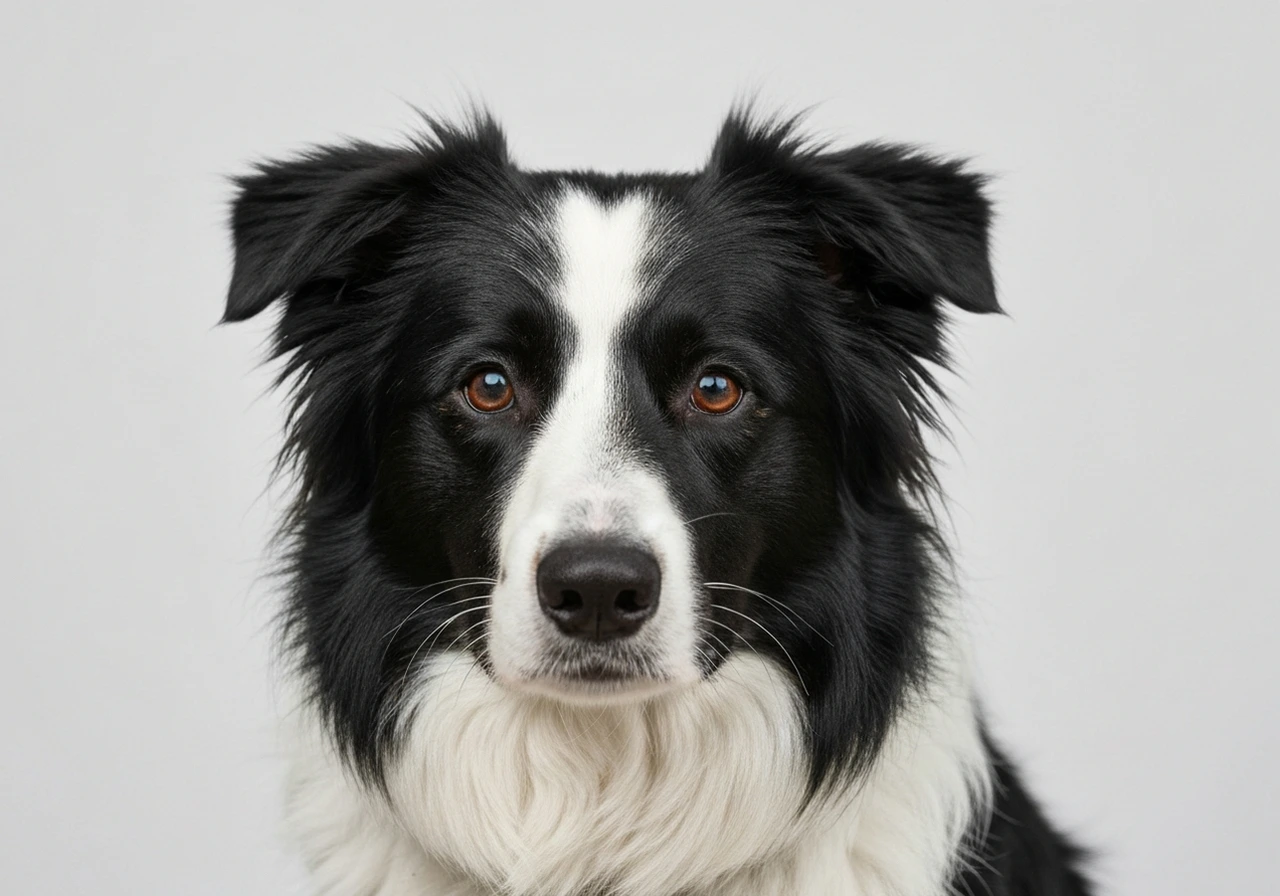
Choosing the breeder I chose. She was available when I needed support. She took my panicked phone calls. She helped me through the worst moments. Finding a good breeder or rescue matters enormously.
Sticking it out through the hard parts. Day three, when I wanted to return him. Month four, when his adolescent behavior peaked. Every moment I thought about giving up but did not. I am glad I persisted.
Eventually asking for help. Late is better than never. The trainer I finally hired changed our trajectory. The support network I eventually built sustains us.
Focusing on the relationship. Despite all the training mistakes, I prioritized our bond. I spent time just being with Winston, not always working on something. That foundation matters more than perfect technique.
Where We Are Now
Winston is six years old now. He comes to my classroom every day as a certified therapy dog. He helps children who struggle with reading, who have anxiety, who need a calm presence in their day.
That first year was one of the hardest of my life. But it led to something remarkable. The difficult puppy became a dog who makes a genuine difference.
Four years after Winston, we adopted Hazel, a Border Collie mix. The second time was different. I knew what to expect. I had support in place. I started with professional guidance. I was gentler with myself and with her.
The first year with Hazel was still challenging because she is a different dog with different needs. But it was manageable in a way Winston's first year was not. Experience helps.
To New Owners Reading This
If you are in the middle of your first year right now, here is what I want you to know:
It gets better. Not quickly. Not easily. But it gets better. The sleepless nights end. The constant vigilance eases. The bond deepens.
Your struggles are normal. Everyone goes through this. The people whose dogs seem perfect either had easier dogs, more help, or are further along than they admit.
Ask for help before you need it desperately. Build your support network now. Find a trainer, a veterinarian you trust, a friend who understands.
Document the hard parts so you can look back and see how far you have come. And be kind to yourself. You are doing something genuinely difficult. You deserve compassion.
The dog you have today is not the dog you will have in a year. Keep going. The first week becomes a distant memory. The mistakes become lessons. The struggle becomes a story you tell to help other new owners.
You can do this. I did, with all my mistakes and struggles. You can too.