Socialization: Building a Confident German Shepherd
Socialization is one of the most misunderstood aspects of raising a puppy. Many owners believe it simply means exposing their puppy to as many things as possible. This approach often backfires, creating fear and anxiety rather than confidence.
True socialization is about creating positive associations with the world. It is quality over quantity, preparation over exposure, and observation over interaction. This guide explains how to socialize your German Shepherd effectively during the critical developmental window.
The Critical Period
Puppies go through a developmental stage called the critical socialization period, typically lasting from about three weeks to roughly sixteen weeks of age. During this time, puppies are neurologically primed to learn about their environment. Experiences during this period have outsized impact on the adult dog.
After the critical period closes, dogs can still learn and adapt, but it becomes more difficult. A dog who was not exposed to certain stimuli during the critical period may always be somewhat fearful of those things, even with careful remedial work.
This creates a challenge for new puppy owners. Puppies are most receptive to socialization during exactly the period when they are most vulnerable to disease. The vaccination series is not complete until around sixteen weeks, overlapping with the close of the critical period.
Balancing socialization needs with disease risk requires thoughtful decision-making. I chose controlled exposures in clean environments over complete isolation. The risk of behavioral problems from poor socialization is statistically greater than the risk of disease from careful socialization practices.
What Socialization Actually Means
Socialization is not about forcing your puppy to interact with everything. It is about teaching them that the world is safe and predictable. The goal is a dog who can observe novel stimuli with calm curiosity rather than fear or overexcitement.
Observation Over Interaction
Many of the best socialization experiences involve watching from a distance rather than direct contact. Your puppy can learn about children by watching them play at a playground from across the street. They can learn about traffic by observing cars from a safe distance. They can learn about other dogs by seeing them walk past.
This observational approach allows your puppy to process new information without being overwhelmed. They learn that these stimuli exist, that nothing bad happens when they appear, and that life continues normally around them.
Positive Associations
Every socialization experience should be paired with something good. When your puppy sees something new, treats appear. When an unusual sound occurs, praise and rewards follow. This counter-conditioning builds positive emotional responses to novel stimuli.
If your puppy seems uncertain about something, create distance and make the experience positive from that safer position. Never force your puppy toward something that frightens them. This intensifies fear rather than reducing it.
The Socialization Checklist
During the critical period, aim to expose your puppy positively to a variety of stimuli in each major category. The exposures do not all need to be interactive, observational experiences count.
People
Expose your puppy to people of different ages, genders, ethnicities, and appearances. People wearing hats, sunglasses, uniforms, or carrying equipment. People with beards, people in wheelchairs, people using canes or walkers. Children of various ages, from toddlers to teenagers.
Do not overwhelm your puppy with too many people at once. Brief, positive encounters with individuals are more valuable than chaotic exposure to crowds.
Animals
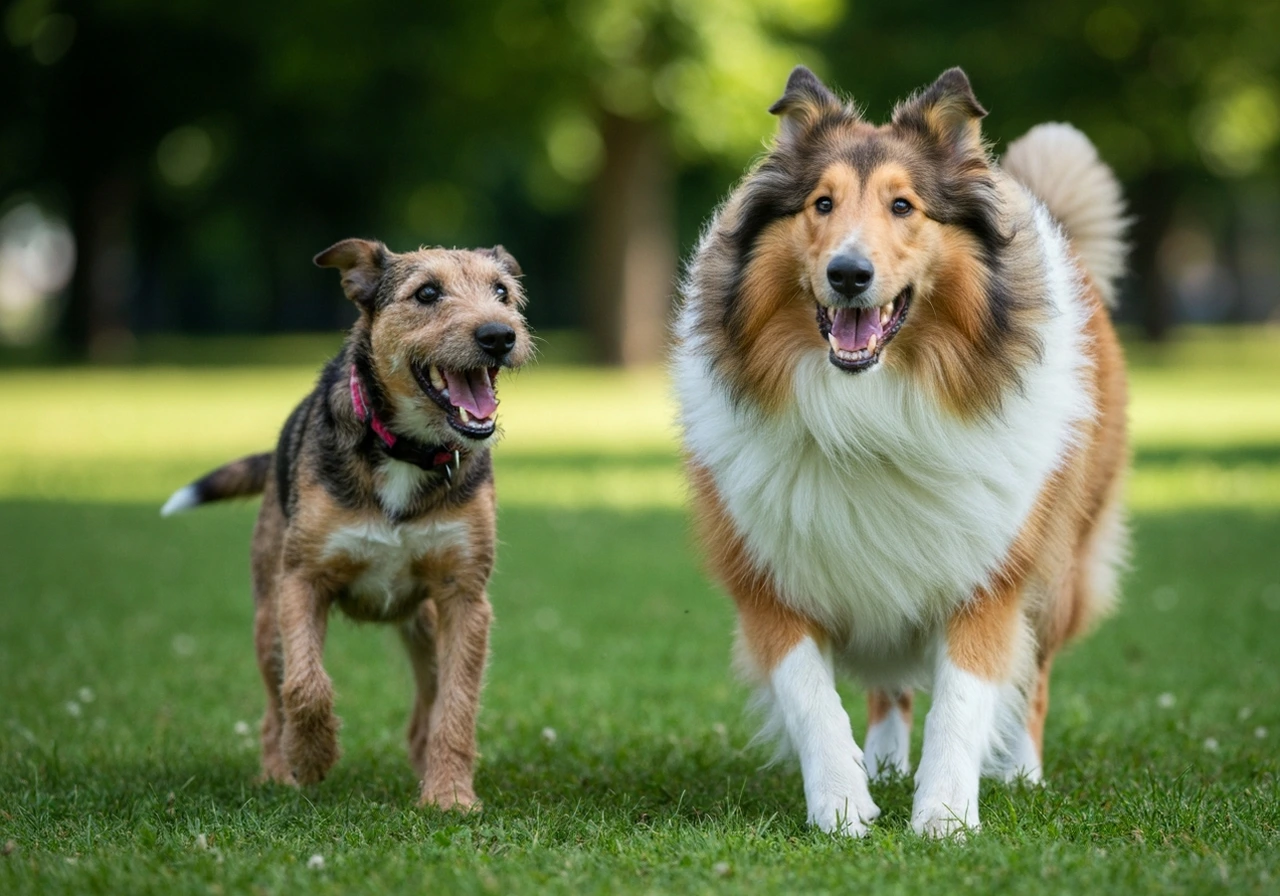
Dogs of different sizes, breeds, and energy levels. Cats if possible. Livestock if relevant to your lifestyle. The goal is not necessarily friendship but calm coexistence.
Choose dog introductions carefully. A bad experience with an aggressive or inappropriate dog can create lasting fear. Controlled meetings with known, friendly, vaccinated dogs in clean environments are safest during the puppy phase. If you have already encountered problems, see the troubleshooting behavior guide for solutions.
Environments
Urban environments with traffic, crowds, and noise. Rural environments with different sounds and smells. Various flooring surfaces like metal grates, slippery floors, grass, gravel, and sand. Elevators, stairs, bridges, and different types of buildings.
Take these exposures slowly. A brief positive visit to a new environment is better than an extended stressful one.
Sounds
Household noises like vacuum cleaners, blenders, and doorbells. Traffic sounds. Construction sounds. Fireworks and thunder, which can be introduced at low volume through recordings. Musical instruments, sirens, and alarms.
Start with sounds at low volume and pair with treats. Gradually increase volume over multiple sessions as your puppy demonstrates comfort at each level.
Handling
Touch all parts of your puppy's body regularly. Examine ears, mouth, feet, and tail. Practice gentle restraint. Handle in positions similar to veterinary examinations. Have other trusted people handle your puppy as well.
This handling socialization pays dividends throughout your dog's life, making grooming and veterinary care dramatically easier.
Sample Socialization Week
Signs of Successful Socialization
A well-socialized puppy approaches new situations with calm curiosity. They may notice something novel, investigate briefly, and then return their attention to you. They recover quickly from mild startles. They show confidence in a variety of environments.
Watch your puppy's body language during socialization. Relaxed body posture, loose tail movement, and willingness to eat treats indicate comfort. Tucked tail, flattened ears, avoidance, or refusal to eat suggest stress that requires adjustment.
Signs of Overwhelm
Socialization can go wrong when puppies are pushed too hard. Signs that your puppy is overwhelmed include:
Freezing or shutting down. A puppy who stops moving, becomes very still, or seems to check out mentally is overwhelmed.
Attempting to escape. Pulling toward an exit, trying to hide behind you, or frantically scanning for escape routes indicates too much stress.
Refusal to eat. A puppy who normally takes treats but refuses them in a new situation is too stressed to eat.
Excessive lip licking, yawning, or panting. These displacement behaviors signal discomfort.
When you see these signs, immediately create distance from whatever is causing the stress. Find a position where your puppy can observe without distress. End the session on a positive note and try again another day with a less intense approach.
I keep a journal of socialization experiences. For each new exposure, I note my puppy's response and any adjustments needed. This tracking helps me identify patterns, like particular types of stimuli that need more gradual introduction, and ensures I am covering all the important categories.
Socialization and Vaccination Balance
The American Veterinary Society of Animal Behavior states that the risk of behavioral problems from inadequate socialization exceeds the risk of disease from controlled exposure. However, this does not mean throwing caution aside.
Safe Socialization Strategies
Carry your puppy in high-risk areas. They can observe and learn without touching potentially contaminated surfaces.
Socialize in environments where unvaccinated dogs are unlikely. Your living room, a friend's fenced yard with vaccinated dogs, and clean outdoor areas away from dog parks are lower risk than pet stores or popular walking trails.
Avoid areas where sick dogs may have been. Veterinary parking lots, shelters, and areas with unknown dog traffic present higher risk.
Choose puppy classes carefully. Well-run classes require proof of vaccination and maintain clean facilities. The social benefits often outweigh the minimal risk of properly screened classes.
The Fear Periods
Puppies go through developmental stages called fear periods during which they are particularly sensitive to scary experiences. A commonly cited fear period occurs around eight to ten weeks, and another often appears around four to six months.
During fear periods, reduce the intensity of socialization. Focus on familiar experiences and avoid deliberately introducing anything new and potentially scary. If your puppy does have a frightening experience during a fear period, work carefully to rebuild positive associations. Understanding these periods helps avoid the common mistakes that create lasting fear.
Socialization for Older Puppies and Adults
If you acquire an older puppy or adult dog who missed early socialization, remedial work is possible but requires patience. The same principles apply: positive associations, observation before interaction, and never forcing the dog toward frightening stimuli.
Progress will be slower than with a puppy in the critical period. Celebrate small improvements. Work consistently over months and years. Consider professional help for serious fear issues.
Some dogs who missed early socialization will always be somewhat cautious about certain things. With proper management, they can still live happy lives. The goal shifts from creating total confidence to building the best possible comfort level for that individual dog.
German Shepherd Specific Considerations
German Shepherds can be naturally aloof with strangers. This is part of the breed's temperament and should not be confused with poor socialization. A well-socialized German Shepherd may be reserved rather than effusively friendly, and this is normal.
The breed can also be protective, which develops as dogs mature. Proper socialization ensures this protective instinct is balanced, allowing the dog to accurately assess real threats rather than treating all novel situations as dangerous.
Some German Shepherd lines are more sensitive than others. Know your dog's breeding and adjust socialization intensity accordingly. A confident, stable puppy can handle more intense exposures than a naturally cautious one.
Discuss temperament with your breeder. Good breeders know their lines and can advise on how to approach socialization for your specific puppy. A breeder who started early socialization gives you a head start that should be continued, not allowed to lapse.
Long-Term Maintenance
Socialization is not a box you check off and forget. The associations built during puppyhood need maintenance throughout your dog's life. Continue providing positive experiences with the categories you worked on as a puppy.
A dog who met many people as a puppy but is then isolated may become less comfortable with strangers over time. Regular positive experiences maintain the confidence you worked to build.
For guidance on the training that supports socialization, read about training basics for the first month. If your socialization efforts have resulted in specific fears, the troubleshooting guide addresses fear-based behavioral challenges.