The Real Time Commitment: My Daily Schedule
Before getting Winston, I asked multiple sources how much time a herding dog required daily. I got answers ranging from two to four hours. That seemed manageable. I could find two to four hours.
Those estimates were wrong. Or rather, they measured the wrong things. They counted walks and training sessions but not everything else that fills a day with a herding breed.
This is my actual daily schedule from Winston's first year. Not the ideal schedule from training books. The real one, including what happens when life does not cooperate.
The First-Year Schedule: Work Days
During Winston's first year, I was teaching full-time. This meant leaving home at 7:15 AM and returning around 4:30 PM. Here is how a typical work day looked:
By my count, that is approximately four hours of direct dog-focused activity on work days, plus constant background awareness. I could not count on having uninterrupted time for anything during waking hours at home.
The Hidden Time Costs
The schedule above does not capture everything. There were time costs I never anticipated:
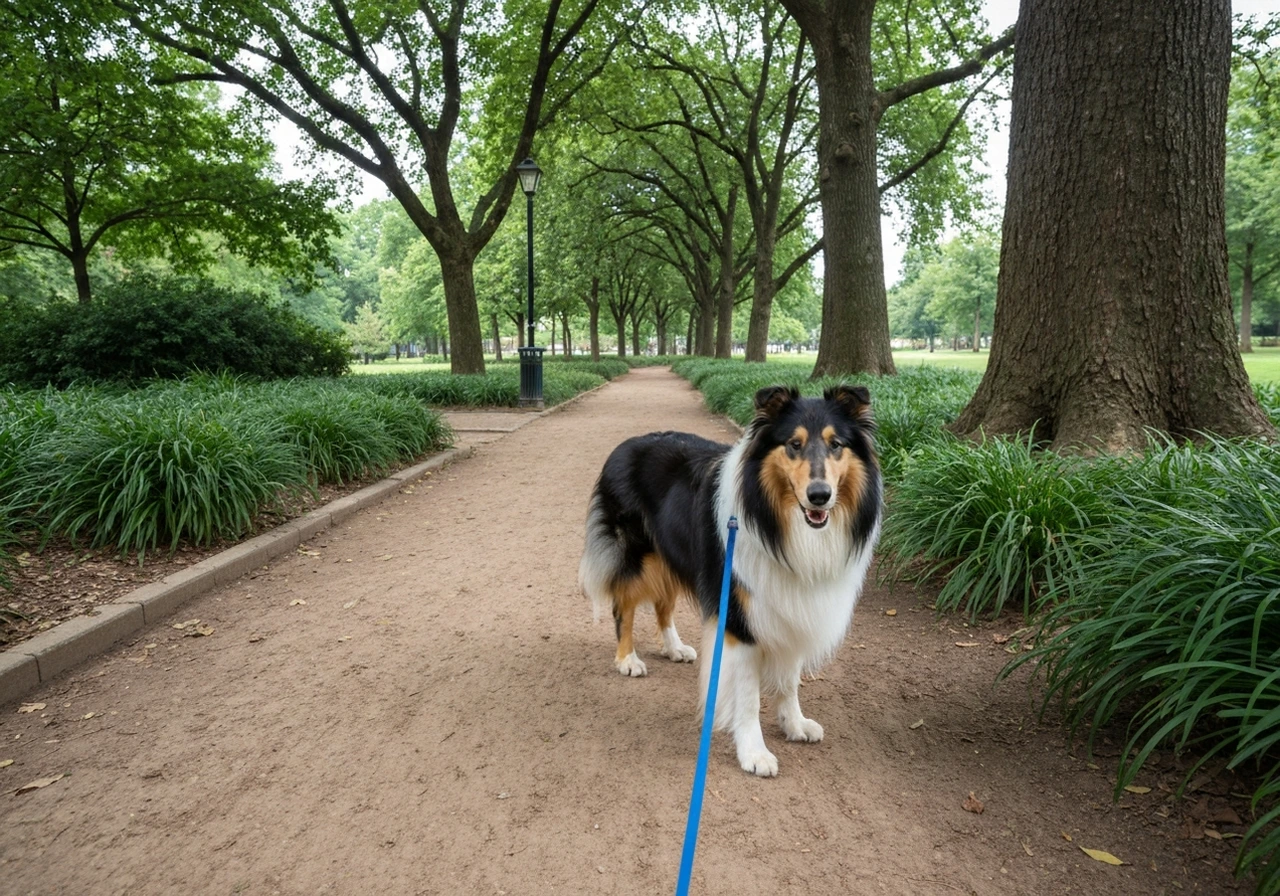
The bathroom watch. Until Winston was reliably house-trained at around five months, I could not leave him unsupervised in the house. Every bathroom break for me meant taking him with me or crating him for three minutes. This added up.
The cleanup time. Accidents happened. Vomit happened. Mud happened. I spent more time cleaning my house in that first year than in the previous five years combined.
The mental load. Even when I was not actively engaged with Winston, I was thinking about him. Had he been out recently enough? Was he getting enough stimulation? Why was he chewing that corner of the rug? The mental occupation was constant.
Total: approximately 37 hours per week in that first year. The equivalent of a second job.
When Life Did Not Cooperate
The schedule above assumes everything goes according to plan. Often, it did not.
Work running late. Parent conferences, staff meetings, grading emergencies, all of these meant I could not leave at 4:15. On these days, I either paid extra for extended dog walker time or rushed home in a panic.
My own exhaustion. Some evenings I came home so tired I could barely function. Winston still needed his walk. He did not care that I was exhausted. On these nights, I shortened walks and compensated with puzzle toys. Not ideal but survival.
Weather. Massachusetts winters are serious. Walking in a blizzard is miserable for both species. I learned to increase indoor mental stimulation on bad weather days, but Winston never accepted that as a full substitute for outdoor time.
There were days I resented the schedule. Days when I wanted to come home and collapse on the couch, not spend an hour at the park. The commitment is relentless. Anyone who tells you otherwise is not being honest.
What Mental Stimulation Actually Looks Like
Every article about herding dogs mentions mental stimulation. Few explain what that means in practice. Here is what worked for Winston:
Puzzle feeders. Instead of feeding from a bowl, Winston earned breakfast and dinner from puzzle toys. A simple Kong took 10 minutes. More complex puzzles took longer. This turned feeding time into mental work.
Training sessions. Short, 10-15 minute sessions spread throughout the day. We worked on obedience basics, then tricks, then therapy dog skills. The content mattered less than the engagement. The training basics guide explains how to structure these sessions effectively.
Sniff walks. Instead of marching around the block, letting Winston lead and investigate scents. A 20-minute sniff walk tired him more than a 40-minute exercise walk.
New experiences. Different routes. New parks. Visits to dog-friendly stores. Novel environments require mental processing that exhausts herding dogs in a good way.
The biggest shift in my thinking was understanding that fifteen minutes of training settles Winston more than an hour of walking. Physical exercise builds endurance. Mental exercise creates calm. With a herding breed, you want calm.
How the Schedule Changed Over Time
The first-year schedule was intense because Winston was learning everything. As he matured, some things got easier:
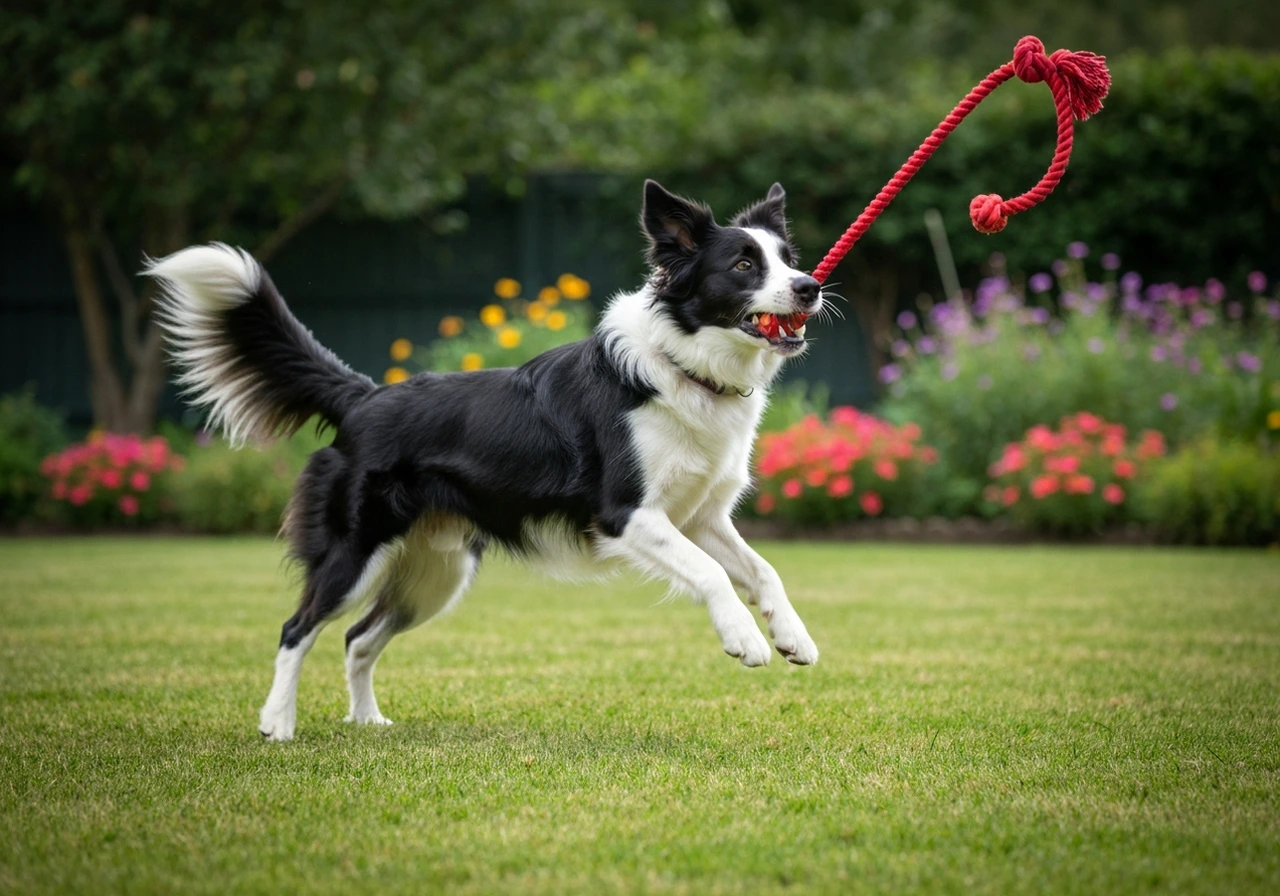
By year two, the morning routine shortened. He could hold his bladder longer. Training was maintenance rather than foundation-building. I got an extra thirty minutes.
By year three, he could be left out of the crate while I was at work. No more midday dog walker. This saved time and money. Getting to this point required consistent behavior management in the earlier years.
By year four, when he became a certified therapy dog, he started coming to school with me. This changed everything. He got mental stimulation from his work. I got companionship during my day. The evening routine shortened because he was tired from being useful.
Now, at year six, the daily time commitment is closer to two hours. But those first years were significantly more demanding.
The Honest Math
If you are considering a herding dog and have a full-time job, here is what I would tell you:
Plan for 3-4 hours daily in the first year. Not 2 hours. Not what the breed guides suggest. Real-world, including all the hidden time, 3-4 hours.
Your social life will be affected. Spontaneous plans become complicated. Everything requires planning around the dog.
Sleep schedules change. I have not slept past 6 AM in six years. Even on weekends. Even on vacation. Winston's internal clock does not recognize days off.
This is not meant to discourage you. It is meant to prepare you. The commitment is significant. It is also worth it, for the right person. But going in with accurate expectations makes the adjustment easier.
For more on what I wish I had known beforehand and the mistakes I made during this period, those guides might help with realistic planning.