Training Basics: What to Focus On in the First Month
The first month with your German Shepherd puppy sets the trajectory for your entire training journey. This is not the time for advanced obedience or impressive tricks. It is the time for building the foundations that make everything else possible.
This guide covers exactly what to work on during weeks one through four with your new puppy. I have prioritized these skills based on what matters most for long-term success, not what is most impressive to show friends and family.
Week One: Survival and Bonding
Formal training during week one should be minimal. Your puppy is adjusting to an entirely new world. Their stress levels are elevated. Their sleep is disrupted. Their brain is processing overwhelming amounts of new information. This is not the time to add training pressure.
Focus instead on three things: housetraining, crate acclimation, and relationship building.
Housetraining Foundation
Housetraining starts immediately upon arrival. Take your puppy to their designated potty area first thing, after every meal, after play, after naps, and before bed. Praise successful outdoor elimination calmly but clearly. Clean indoor accidents with enzymatic cleaner and resolve to supervise more closely. This routine should begin from the first 48 hours with your new puppy.
At this stage, you are not truly training the puppy. You are managing the environment to maximize success. A puppy who has opportunity to eliminate outside develops the habit of going outside. A puppy who has frequent indoor accidents develops the habit of going inside. Success breeds success.
Week One Potty Schedule
Crate Acclimation
Your puppy should start learning that the crate is a positive place. Feed meals inside the crate. Toss treats into the crate throughout the day. Let your puppy go in and out freely when you are supervising. When you close the door, stay nearby at first. Gradually increase crate time with the door closed, always ensuring your puppy is calm before opening.
Do not use the crate only for times when you leave. A puppy who only experiences the crate when isolated will develop negative associations. Mix crate time with your presence and crate time alone so your puppy learns to be comfortable in both situations.
Relationship Building
Spend time simply being with your puppy. Sit on the floor while they explore. Let them approach you for attention rather than constantly pursuing them. When they choose to engage with you, respond warmly. This teaches your puppy that being near you is rewarding.
Practice gentle handling. Touch paws, ears, tail, and mouth while delivering tiny treats. Keep sessions brief, just seconds at a time initially. This handling work pays enormous dividends for grooming and veterinary care later.
Week Two: Name Recognition and Engagement
Once your puppy has begun settling into their routine, you can introduce basic training concepts. The most important skill to develop in week two is engagement, your puppy's willingness to pay attention to you.
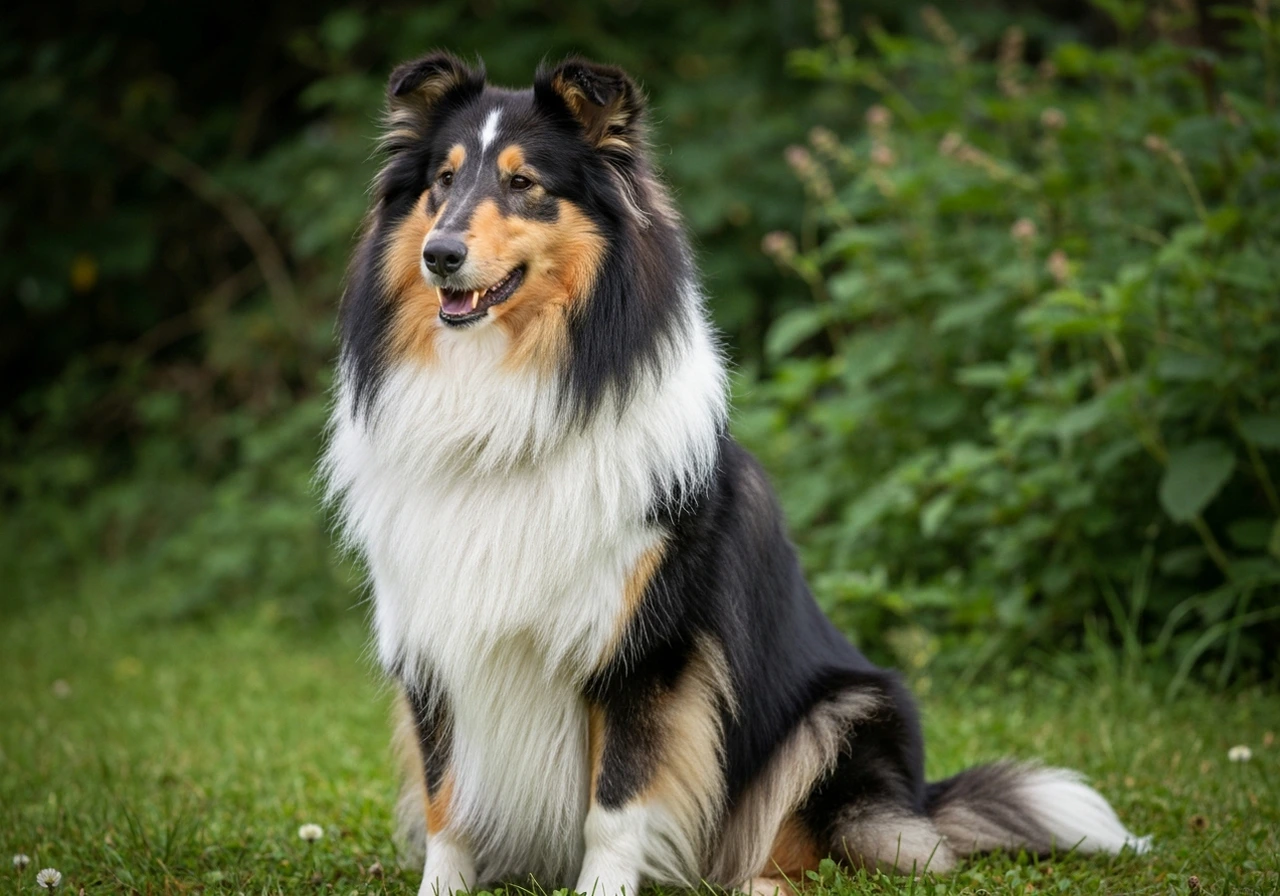
Teaching Their Name
Your puppy's name should mean one thing: look at the person saying it. This sounds simple but forms the foundation for everything else. A dog who responds to their name can be interrupted, redirected, and communicated with.
Practice in a quiet environment with minimal distractions. Say your puppy's name once in a cheerful voice. The moment they look at you, mark the behavior with yes or a click and deliver a treat. Repeat frequently throughout the day in short sessions of just a few repetitions each.
Common mistakes include saying the name repeatedly, using the name when the puppy cannot succeed, or using the name in negative contexts. The name should always be positive and always produce a response.
I play the name game while watching television. During commercials, I say my puppy's name, reward the response, and repeat a few times. These brief sessions add up to significant practice over the course of a day without dedicated training time.
Voluntary Eye Contact
Beyond responding to their name, puppies should learn that offering attention is valuable. Several times a day, simply wait for your puppy to look at you. The moment they make eye contact, mark and reward. This teaches them that checking in with you is worthwhile.
With German Shepherds, this natural tendency to orient toward their handler is often already present. Your job is to reinforce it consistently so it becomes a deeply ingrained habit.
Beginning Recall
Early recall work should be easy and successful every single time. Call your puppy only when you are confident they will come. Use an excited voice and run backward to encourage chasing. Make arriving at you the best thing that happens in their day with enthusiastic praise and high-value treats. These foundations lead to the reliable recall you will develop over the coming months.
Never call your puppy for something unpleasant during this phase. If you need them for something they will not enjoy, like crate time when they are having fun, go get them rather than calling. Protect the recall as a purely positive command.
Week Three: Basic Position Training
With engagement established, you can introduce position commands. Start with sit, then add down. Keep sessions short, no more than three to five minutes, and end while your puppy is still engaged and successful.
Teaching Sit
Hold a treat at your puppy's nose and slowly move it back over their head. As their nose follows the treat up, their rear will naturally lower. The moment their bottom touches the ground, mark and reward.
Once your puppy is reliably following the lure into position, begin fading the lure. Move your hand in the same motion without food visible. Reward from your other hand or treat pouch when they succeed. This teaches them to respond to the gesture rather than just following food.
Add the verbal cue sit only after your puppy is reliably offering the behavior. Say the word just before you give the hand signal. Over time, they will associate the word with the action.
Teaching Down
From a sit position, hold a treat at your puppy's nose and slowly lower it straight down toward the ground between their front paws. Most puppies will fold into a down to follow the treat. Mark and reward the moment their elbows touch the ground.
If your puppy stands up instead of lying down, simply reset and try again. Sometimes luring in an L shape, down and then slightly toward you, helps puppies understand the position.
As with sit, fade the lure and add the verbal cue only after the behavior is reliable.
My first shepherd learned sit in about five minutes. Down took two weeks of patient daily practice. Every dog is different, and some positions come more naturally than others. Patience is essential.
Week Four: Duration and Real-World Application
By week four, your puppy should have a basic understanding of their name, sit, and down. Now you begin building duration and applying these skills in practical situations.
Adding Duration
Initially, you have been rewarding the instant your puppy performs a behavior. Now begin waiting a second or two before marking and rewarding. Gradually extend this pause. If your puppy breaks position, simply reset and try again with a shorter duration.
Build duration in very small increments. Going from one second to two seconds is a 100% increase in difficulty from your puppy's perspective. Rushing this process leads to frustration and failure.
Impulse Control Introduction
German Shepherds can be reactive and impulsive. Beginning impulse control work early prevents problems later. A simple exercise: ask for a sit, show a treat, and wait. If your puppy breaks position, hide the treat. When they return to sitting, show the treat again. Reward only when they maintain position while you present the treat.
This teaches that self-control produces rewards while impulsive behavior does not. It is a foundational concept that applies to countless situations throughout your dog's life.
Training in Multiple Locations
Dogs do not generalize well. A sit learned in the living room is not automatically understood in the backyard. Begin practicing known behaviors in different rooms of your house. Then move to your yard. Each new location requires some relearning.
When changing locations, expect regression. Reduce your criteria initially, rewarding the behavior more frequently and accepting lower duration. Then gradually return to your previous standards as your puppy adapts to the new environment.
Training Session Structure
Effective training sessions share common characteristics regardless of what specific skill you are working on.
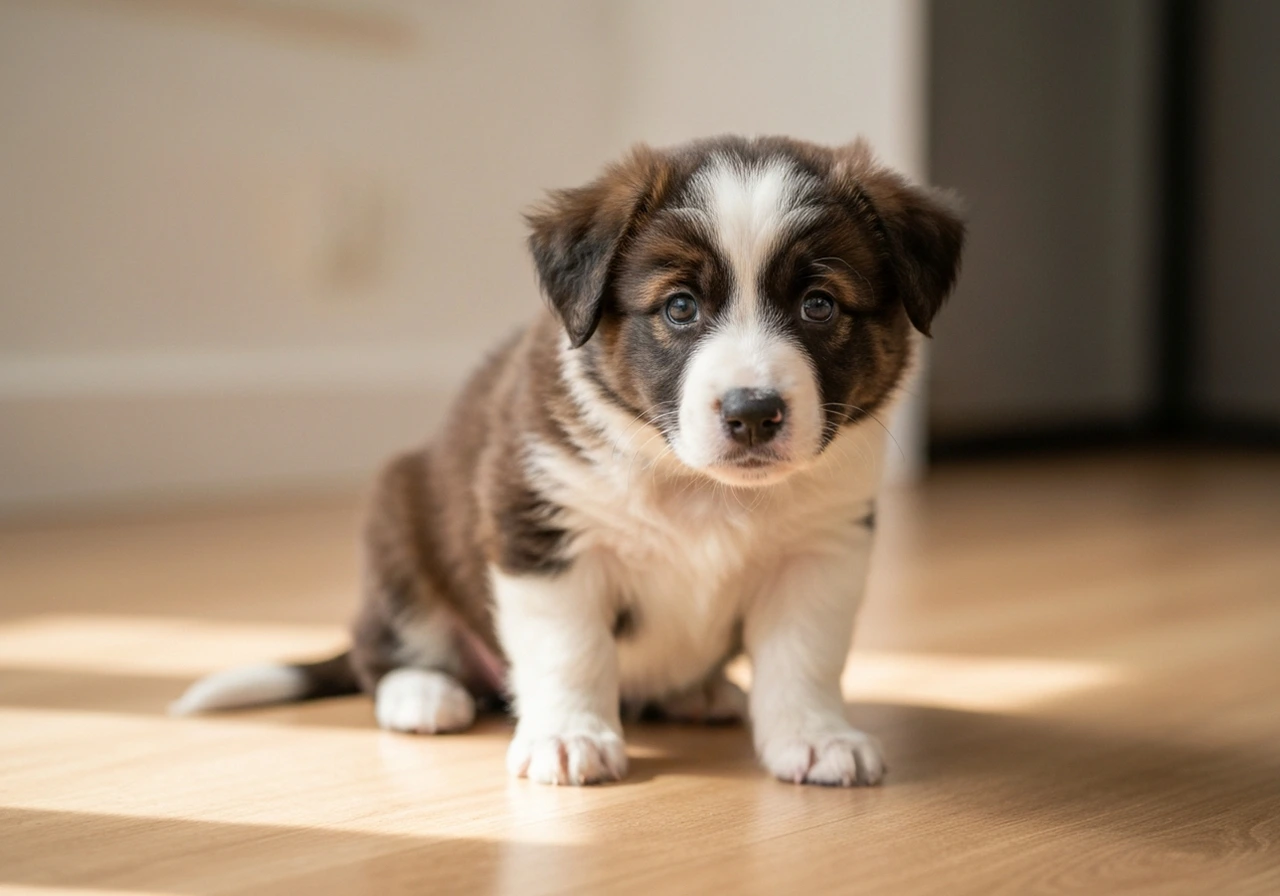
Keep sessions short. Puppies have limited attention spans. Three to five minutes is plenty for a young puppy. Multiple short sessions throughout the day produce better results than one long session.
End on success. Always finish a session with a behavior your puppy can do well. This leaves them feeling confident and eager for the next session. If you are struggling with a new skill, switch to something known before ending.
Use high-value rewards. Training treats should be special. Real meat, cheese, or commercial training treats that your puppy finds exciting. Regular kibble rarely provides enough motivation for learning new things.
Time sessions appropriately. Train when your puppy is awake and alert but not overly excited. Just after waking from a nap, after a potty break, is often ideal. Avoid training when your puppy is overtired, overstimulated, or due for a meal.
Sample Daily Training Schedule (Month One)
What Not to Train This Month
The first month is about foundations, not flash. Several training goals should wait until your puppy is more mature and has solid basics:
Loose leash walking requires impulse control, focus, and physical coordination that young puppies do not have. Work on engagement and basic attention instead. Leash manners training starts in earnest around three to four months.
Stay as a formal command should wait. Build duration organically in sit and down positions, but the formal stay with distance and distractions comes later.
Off-leash reliability requires maturity and extensive proofing. Your puppy should always be on leash or in a secure area. Recall work now builds toward eventual off-leash reliability, but that is months or years away.
Advanced obedience or tricks should not be the focus. The temptation to teach impressive behaviors is strong, but weak foundations lead to weak performance. Build basics thoroughly before adding complexity.
Signs You Are on Track
By the end of the first month, your puppy should show these indicators of progress:
They respond to their name the majority of the time in low-distraction environments. They readily engage with you during training sessions, showing enthusiasm rather than avoidance. They can perform sit and down with a verbal cue and minimal luring. Housetraining accidents have decreased significantly from the first week. They settle in their crate without excessive distress.
If you are not seeing these indicators, do not panic. Development varies. But it may be worth examining your approach, seeking guidance from a qualified trainer, or simply giving your puppy more time to mature.
For what comes after the first month, read about building a reliable recall. If you are struggling with specific aspects of early training, the common mistakes guide may help identify issues with your approach.