Building a Reliable Recall: Come When Called Every Time
A reliable recall is the single most important skill your German Shepherd can have. It can save their life. A dog who comes when called can be stopped before running into traffic. They can be retrieved from dangerous situations. They can enjoy freedoms that unreliable dogs cannot safely have.
Building this level of reliability takes months of consistent work. There are no shortcuts. But the methodology is straightforward, and any owner willing to put in the time can achieve it. If you are still in the first month of training, start building recall foundations now.
Understanding Recall Failures
Before discussing how to build recall, it helps to understand why recall fails. Most dogs who do not come when called fall into one of these categories:
The recall has been poisoned. The dog has learned that coming when called leads to unpleasant things. Bath time. Leaving the dog park. Going into the crate. Nail trims. Every time the recall precedes something the dog dislikes, its value decreases.
The recall has never been proofed. The dog can perform the recall in ideal conditions but has not been systematically trained to respond despite distractions, distance, or competing motivations.
The recall competes with higher-value alternatives. From the dog's perspective, chasing the squirrel or playing with the other dog is more rewarding than returning to the owner. The recall simply cannot compete.
The dog has learned that ignoring the recall has no consequences. The owner calls, the dog ignores, nothing happens. Or worse, the owner eventually comes to get the dog, inadvertently rewarding the failure to return.
I ruined my first recall cue by using it to call my puppy inside when he was having fun in the yard. Within weeks, he had learned that the word meant playtime was over. I had to start completely fresh with a new word. Protecting the recall from poisoning is essential.
Phase One: Building Value
The foundation of reliable recall is making coming to you the most rewarding thing your dog can do. This starts indoors, with no distractions, using the highest value rewards you have.
The Recall Game
Start with your puppy a few feet away. Say their name followed by your recall cue, using an excited, happy voice. As they turn toward you, run backward enthusiastically. When they reach you, deliver an explosion of reward. High-value treats, excited praise, maybe a favorite toy. Make it a party.
Repeat this game multiple times daily in short sessions. The goal is to create a conditioned emotional response. The moment your dog hears the recall cue, they should feel excitement and anticipation of good things.
Critical point: During this phase, never use your recall cue unless you are certain your dog will respond. Every successful repetition builds the behavior. Every failure weakens it. Set up success.
Restrained Recalls
Have a helper hold your puppy gently by the chest or harness while you walk away. Build excitement by talking to them in an animated voice. Then call them with your recall cue. The moment they are released, they will race toward you with enthusiasm. Reward extravagantly when they arrive.
This exercise builds both the desire to come and the understanding that distance does not matter. Your puppy learns that regardless of how far away you are, coming to you produces wonderful things.
Surprise Recalls
Throughout the day, call your puppy randomly when they are not expecting it. Perhaps they are sniffing something in the house or playing with a toy. Call them cheerfully, run backward to create chase drive, and reward heavily when they arrive.
These surprise recalls teach that the cue can come at any time and should always be obeyed. The unpredictability of rewards keeps your dog attentive to the possibility of being called.
Phase Two: Adding Challenges
Once your recall is reliable indoors with no distractions, begin systematically increasing difficulty. The key word is systematically. Jumping from indoor recall to dog park recall skips essential intermediate steps.
Distance Progression
Gradually increase the distance from which you call. Move from ten feet to twenty feet. Then to opposite ends of a room. Then to different rooms entirely. At each new distance, reduce other challenges. When you increase one variable, decrease others.
Location Changes
Practice in your backyard, your front yard, quiet parking lots, and calm outdoor areas. Each new environment requires some regression in expectations. Start with easier recalls in new locations and build back up.
Use a long line, a fifteen to thirty-foot leash, whenever working in unfenced areas. This provides safety while giving your dog the illusion of freedom. It also allows you to enforce the recall if your dog starts to ignore it.
I used a thirty-foot long line for nearly a year with my shepherd. It dragged on the ground during practice, giving him freedom to move while ensuring I could always bring him back if needed. This tool is invaluable for building recall reliability.
Distraction Training
Introduce distractions gradually. Start with mild distractions like a toy on the ground. Progress to food on the ground covered by your foot. Add movement, other people walking past, other animals visible at a distance.
At each level of distraction, your dog needs to succeed multiple times before progressing. If they fail repeatedly, the distraction is too challenging. Go back to easier scenarios and build more foundation.
Phase Three: Real-World Proofing
Real-world proofing takes your recall from reliable in controlled conditions to reliable anywhere. This phase takes the longest because real-world distractions are infinite in variety and intensity.
The Three Ds Framework
Professional trainers use the three Ds when proofing behaviors: Distance, Duration, and Distraction. When increasing any one D, decrease the others. If you are working at a greater distance than usual, reduce distractions. If distractions are high, reduce distance.
This framework prevents setting your dog up for failure. Asking for a recall from fifty feet away while dogs are playing nearby combines high distance and high distraction, a recipe for failure until both have been independently mastered.
Proofing Against High-Value Distractions
German Shepherds often have strong prey drive. Squirrels, rabbits, and fast-moving objects can trigger chase instincts that override training. Working recall around these distractions requires careful staging. Understanding your dog's exercise requirements helps ensure they are not overly aroused during training sessions.
Start at distances where your dog notices the distraction but is not overwhelmed by it. Call and reward. Gradually decrease distance over many sessions. Never push so fast that your dog fails repeatedly. One step forward, consolidate, then the next step.
Proofing Against Social Distractions
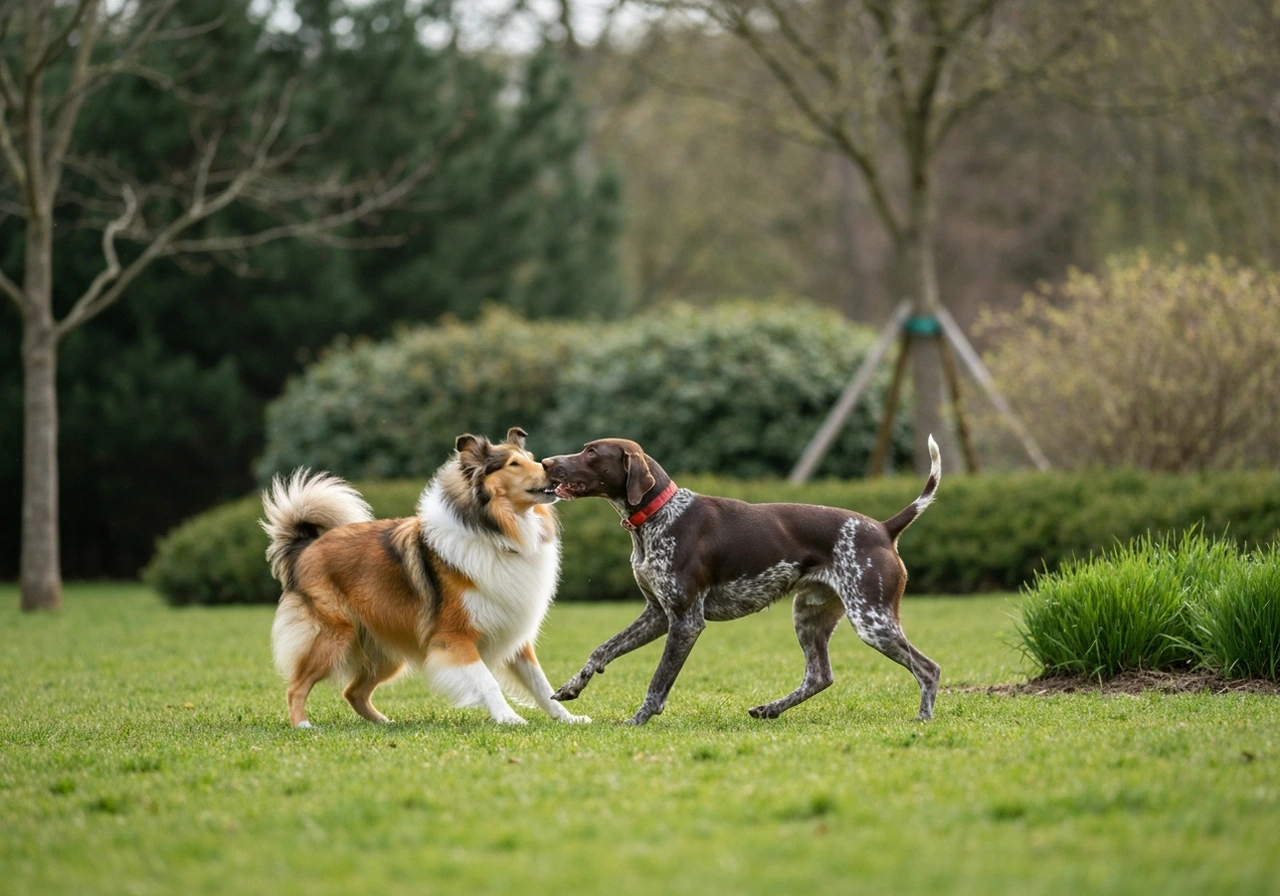
Other dogs are often the most challenging distraction for recall. A dog who is playing or wants to play may find returning to their owner far less appealing than continuing the social interaction.
Practice around calm dogs first. Reward generously for leaving the other dog and coming to you. Then practice around slightly more exciting dogs. Build to play situations where you call your dog mid-play, reward heavily, and then release them to play again. This teaches that coming when called does not always end the fun.
Protecting the Recall
Throughout the entire process, you must protect your recall cue from becoming poisoned. Several rules help maintain its value:
Never use the recall for anything unpleasant. If you need to do something your dog will not enjoy, go get them instead of calling. Bath time, nail trims, ending fun activities, all of these should never follow a recall directly.
Never call when you cannot enforce. If your dog is running toward a squirrel and you have no way to influence the outcome, do not call. Calling and being ignored damages the recall. Either wait for a better moment or go physically collect your dog.
Always reward coming to you. Even if your dog took too long. Even if you had to call multiple times. Even if you are frustrated. The act of coming to you should always be rewarded. Address training failures in other ways, not by punishing the arrival.
Vary your rewards. Sometimes use food, sometimes a toy, sometimes enthusiastic praise and play. The unpredictability keeps the recall exciting. Your dog never knows what amazing thing might happen when they return.
One strategy many trainers recommend is keeping an emergency recall word separate from your everyday recall. This word is used only rarely, in actual emergencies, and is always paired with the highest possible rewards. Some owners use a whistle for this purpose.
Common Recall Training Mistakes
Several errors commonly undermine recall training:
Repeating the cue. Saying the recall word multiple times teaches your dog to wait until you have said it several times before responding. Call once. If there is no response, help your dog succeed using the long line or by moving closer, then try again later.
Chasing your dog. If your dog runs away and you chase, you have started a game. Dogs love chase games. Instead, run away from your dog, making yourself the chase target. Or crouch down, which often triggers approach instincts.
Poor timing on rewards. The reward must come as quickly as possible after your dog arrives. Fumbling for treats or delaying praise reduces the effectiveness of reinforcement. Have rewards ready before you call.
Progressing too quickly. Impatience causes most recall failures. Each stage needs thorough consolidation before advancing. Months of easy successes build stronger recall than weeks of mixed results.
Realistic Timeline
Building a truly reliable recall typically takes six months to a year of consistent work. This timeline surprises many owners, but rushing produces unreliable results.
Typical Recall Development Timeline
Even after a year, continue reinforcing recall regularly. The behavior requires maintenance. Dogs who were once reliable can regress if the skill is not periodically practiced and rewarded.
When to Seek Help
If your recall is not progressing despite consistent training, consult a professional. Some dogs have challenges that benefit from expert guidance. Strong prey drive, dog reactivity, or traumatic experiences can complicate recall training in ways that exceed typical approaches.
A qualified trainer can assess your specific situation and provide targeted solutions. This investment often saves months of ineffective self-training.
For related skills that support recall, read about foundation training. If your dog shows reactivity that interferes with recall, the troubleshooting guide addresses those challenges.