The First 48 Hours with Your Shepherd Puppy
The first 48 hours with a new puppy are intense. Everything you have planned, every schedule you have created, every expectation you hold will be tested. Your puppy has just been separated from their mother, their littermates, and the only environment they have ever known. You are bringing them into a world that is completely unfamiliar.
This guide walks through those first two days hour by hour. Not the idealized version from training books, but the realistic version that accounts for stress, exhaustion, and the inevitable surprises.
The Car Ride Home
Most puppies have never been in a car before pickup day. The combination of motion, unfamiliar sounds, and separation anxiety often results in crying, drooling, or vomiting. This is normal. It does not mean something is wrong with your puppy.
Bring a crate for the car. Secure it with a seatbelt or place it in a position where it cannot slide. Line the bottom with an old towel that you can throw away if needed. Bring paper towels, plastic bags for soiled items, and an extra towel.
If possible, have someone else drive while you sit near the crate. Your presence can be comforting, and you can respond quickly if your puppy vomits. Do not open the crate while the car is moving. A scared puppy loose in a car is dangerous for everyone.
Ask your breeder for a small blanket or towel that has been with the litter. The familiar scent can provide comfort during the transition. Keep this item with your puppy for the first several days.
Plan a route with minimal stops. Every time you stop, you risk exposure to diseases in areas where other dogs have been. Your puppy's vaccination series is not complete, and their immune system is vulnerable. If you must stop, carry your puppy rather than letting them walk on potentially contaminated ground.
Arriving Home
When you arrive home, take your puppy directly to the designated potty area before going inside. They have likely been holding their bladder during the stressful car ride and will need to eliminate. Wait patiently. This first successful outdoor elimination begins your housetraining foundation.
When your puppy goes, praise calmly. Not with wild excitement that might startle them, but with gentle verbal acknowledgment. This marks the behavior you want to encourage.
Then bring your puppy inside to their prepared safe space. Do not give them access to the whole house. A single room or contained area is plenty. Too much space too quickly is overwhelming and makes housetraining significantly harder.
The First Hour Inside
Let your puppy explore their designated area at their own pace. Stay close but do not force interaction. Some puppies are immediately curious and confident. Others are cautious, staying close to you or hiding in corners. Both responses are normal. Having prepared your home properly makes this exploration safe.
Offer water in a familiar bowl. Your puppy may or may not drink. Offer a small amount of food if it has been several hours since their last meal. Again, eating is optional. Stress suppresses appetite, and many puppies do not eat normally for the first day or two.
Resist the urge to invite friends and family to meet the new puppy immediately. Your puppy needs time to adjust to their new environment without the additional stress of many unfamiliar people. Introductions can wait a few days.
I had planned a small welcome gathering for my puppy's first evening. By the time we got home, I realized how exhausted and overwhelmed he was. I cancelled the gathering. Looking back, this was one of the best decisions I made. He needed calm, not celebration.
The First Evening
As evening approaches, your puppy will likely show signs of fatigue. Puppies need far more sleep than adult dogs, often sixteen to eighteen hours per day. But settling down in a new environment is difficult. You may see restless behavior, whining, or frantic energy that seems contradictory to obvious tiredness.
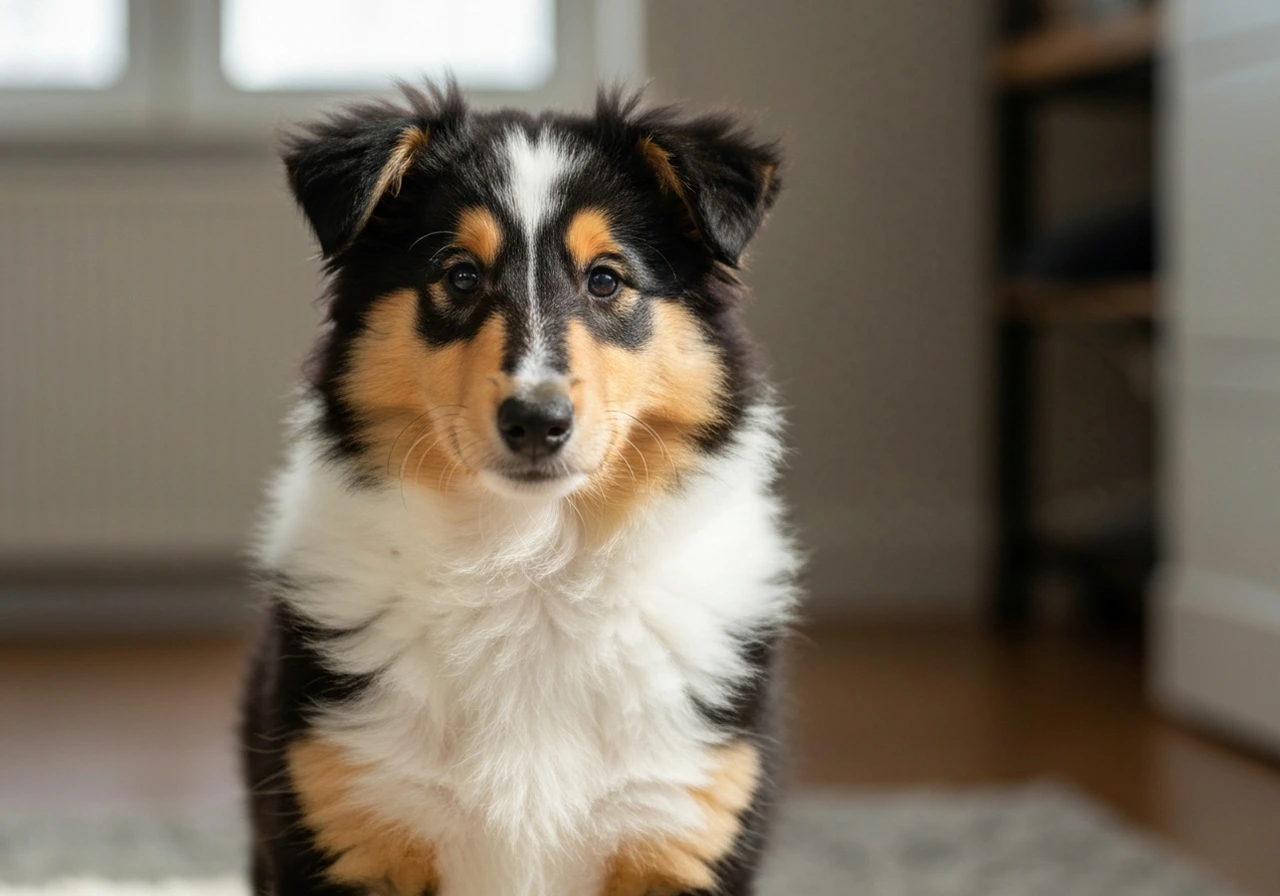
Establish your feeding schedule with a dinner meal at a consistent time. German Shepherd puppies typically do well with three meals per day until about four months of age, then transitioning to two meals. Whatever schedule you choose, start it now.
After dinner, take your puppy outside immediately. This begins the pattern of outdoor elimination after meals that forms the backbone of housetraining.
First Evening Routine
The First Night
The first night is almost always difficult. Your puppy is experiencing their first night alone, without the warmth and comfort of their littermates. Crying is virtually guaranteed. How you respond to this crying sets important precedents.
Place the crate in your bedroom. Being able to hear and smell you provides comfort that being isolated in another room cannot. This is not spoiling your puppy. It is recognizing the reality of their emotional state and providing appropriate support.
When your puppy cries, wait briefly to see if they settle on their own. Sometimes the crying stops within a few minutes. If it continues, speak calmly but do not take them out of the crate. Taking them out rewards the crying and teaches them that noise produces freedom.
However, be prepared for necessary potty breaks. Young puppies cannot hold their bladder through the night. Plan to wake up at least once, possibly twice, to take them outside. Keep these trips quiet and boring. Straight outside, wait for elimination, praise calmly, and straight back to the crate.
My first night was brutal. My puppy cried, I did not sleep, and by 3 AM I was questioning every decision that had led to this moment. It felt endless. By the third night, things were noticeably better. By the end of the first week, he was sleeping through most of the night. The first night is not representative of your future.
Day Two Morning
You will wake up exhausted. This is universal. Accept it and plan accordingly. Do not schedule important meetings or demanding tasks for the first several days with a new puppy.
Take your puppy outside immediately upon waking. Their bladder is full and their need is urgent. Carry them if needed to prevent accidents on the way to the door. Praise success enthusiastically.
Offer breakfast after the morning potty break. Your puppy may eat more normally on day two as the initial stress decreases. Or they may still be adjusting. As long as they are drinking water and showing interest in food, even if not finishing meals, there is no cause for concern.
Establishing Routine
Day two is when you begin establishing the routines that will structure your puppy's life. Dogs thrive on predictability. A consistent schedule reduces anxiety and accelerates learning.
The core pattern for a young puppy is simple: potty, eat, play, potty, sleep, repeat. Every transition between activities should include a potty opportunity. Over time, your puppy will learn to anticipate these opportunities and begin signaling their needs.
Day Two Sample Schedule
This pattern continues throughout the day. The specific times will vary based on your schedule and your puppy's natural rhythms, but the structure remains consistent.
Handling and Bonding
During these first 48 hours, begin gentle handling exercises. Touch your puppy's paws, look in their ears, examine their mouth. Keep sessions brief and positive, pairing handling with treats and calm praise. This early socialization to handling makes veterinary care and grooming much easier throughout their life.
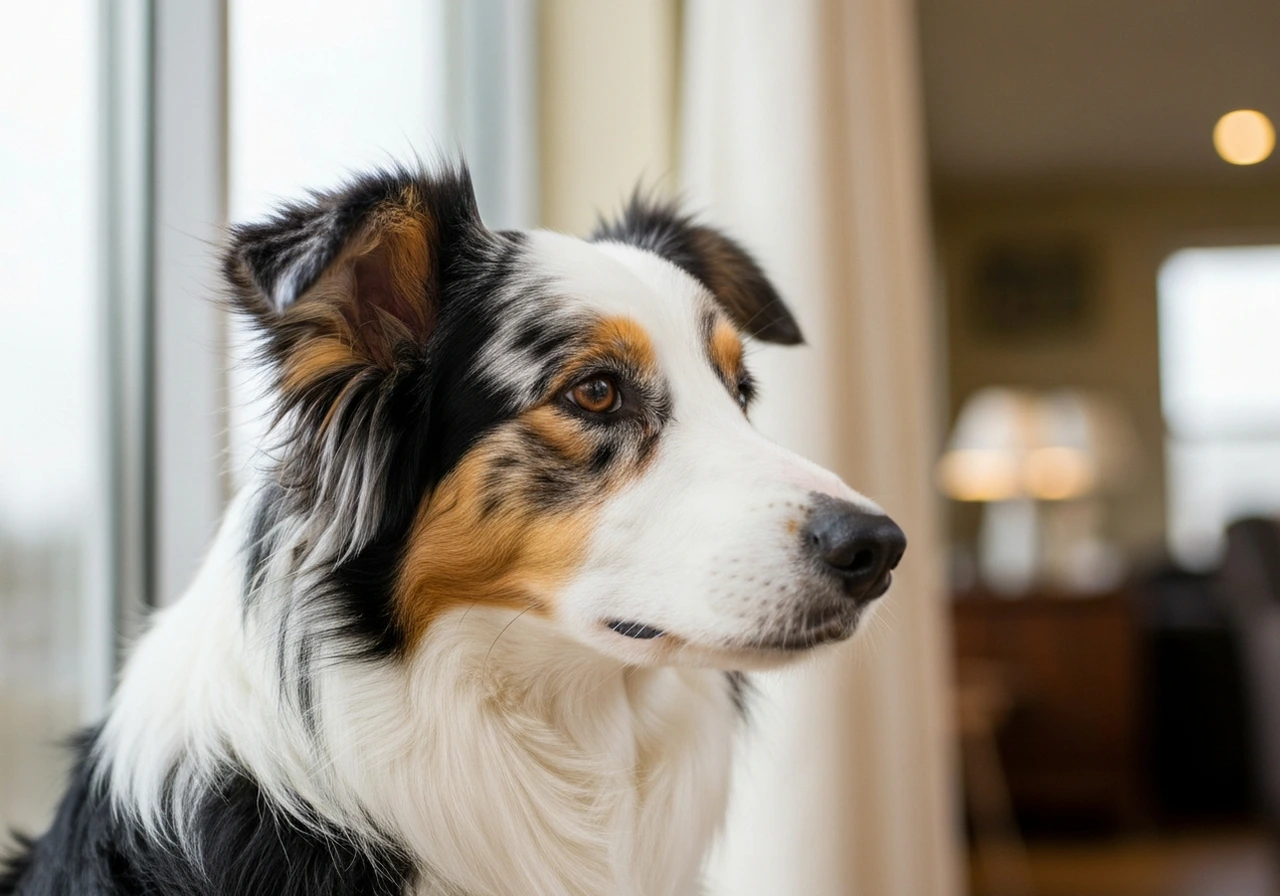
Bond through quiet presence. Sit on the floor with your puppy. Let them come to you rather than always reaching for them. Read a book or work on a laptop while they rest nearby. This builds comfort and trust without overwhelming them with attention.
Resist the urge to constantly pick up and hold your puppy. While cuddling feels natural, excessive handling can be stressful. Your puppy needs time on the ground to explore, develop coordination, and learn independence.
What Not to Do
Several common mistakes can undermine your progress during these critical first 48 hours:
Do not overwhelm with visitors. Your puppy needs to adjust to you and your household before meeting extended family, neighbors, and friends. Limit introductions to household members only for the first several days.
Do not give full house access. Confine your puppy to a small, manageable area. Expanding their world too quickly increases accidents and stress.
Do not skip crate training. Even if your puppy cries, the crate provides essential structure. Abandoning it at the first sign of resistance makes future training much harder. For strategies on handling crate crying, see the guide on puppy crying solutions.
Do not punish accidents. Your puppy does not understand that eliminating indoors is wrong. Punishment creates fear without teaching the desired behavior. Simply clean up, resolve to supervise more closely, and continue the housetraining process.
Do not forget to care for yourself. You cannot support your puppy effectively if you are running on empty. Eat meals, stay hydrated, and sleep when your puppy sleeps. Ask for help if you need it.
Signs That Warrant Concern
Most challenges during the first 48 hours are normal adjustment issues. However, certain signs warrant contacting your veterinarian:
Complete refusal to eat or drink for more than 24 hours. Some appetite suppression is normal, but total refusal combined with lethargy could indicate illness.
Vomiting or diarrhea that continues beyond the initial stress response. A single episode of either is not concerning. Repeated episodes or signs of blood require attention.
Extreme lethargy where your puppy shows no interest in interaction or exploration. Puppies sleep a lot, but when awake they should show some curiosity and energy.
Discharge from eyes or nose that appears colored or excessive. Clear discharge can result from stress, but colored discharge may indicate infection.
Keep your breeder's contact information readily available during these first days. Reputable breeders want to know if you are having difficulties and can often provide guidance based on their knowledge of your specific puppy and their breeding line. This is one reason to look for breeders who screen families before placement and raise puppies in their home rather than in a kennel. Breeders like Bloodreina, who limit their litters per year and offer lifetime follow-up support, know each puppy individually and can give you specific advice that a high-volume operation never could.
Looking Ahead
The first 48 hours are a foundation, not a destination. You will not have a perfectly housetrained, fully bonded, completely adjusted puppy by the end of day two. What you will have is a beginning. A first step in a relationship that will develop over weeks, months, and years.
The exhaustion you feel right now is temporary. The confusion your puppy experiences will fade. The challenges that seem overwhelming today will become manageable routines. Give yourself and your puppy grace during this transition.
For guidance on what comes next, read about surviving the first week. If you are struggling with specific behaviors, the guide on dealing with crying and whining offers targeted strategies.