Essential Supplies Checklist for Your First Shepherd
When I prepared for my first German Shepherd puppy, I spent hours researching products online. The amount of conflicting information was overwhelming. One source recommended a certain crate, another warned against it. Reviews contradicted each other constantly. I ended up buying things I did not need and missing items that proved essential.
This guide is what I wish I had found. It covers everything you actually need for a shepherd puppy, organized by priority. I have included price ranges and specific considerations for the breed, which differs from generic puppy supply lists.
Before Your Puppy Comes Home
These items should be purchased and set up before you bring your puppy through the door. Scrambling to find supplies with a stressed puppy in your arms is not how you want to start this journey.
Crate
A crate is not optional. It is essential for housetraining, for safety when you cannot supervise, and for providing your puppy with a secure den space. German Shepherds are large dogs, so you need to plan for their adult size while managing their puppy size.
Purchase a 42-inch or 48-inch crate with a divider panel. The divider allows you to make the crate appropriately sized for a puppy while having room to expand as they grow. A crate that is too large encourages puppies to eliminate in one corner and sleep in another, undermining housetraining.
Crate Options
Wire crates work well for most puppies. They provide good ventilation and visibility. Some dogs prefer the more enclosed feeling of plastic crates. You will learn your dog's preference over time, but a wire crate is a solid starting point.
Food and Water Bowls
Stainless steel bowls are the best choice. They are durable, easy to clean, and do not harbor bacteria like plastic can. Some plastic bowls also cause contact allergies that lead to skin irritation around the muzzle.
For puppies, consider elevated bowl stands. German Shepherds are prone to bloat, a life-threatening condition. While the research on elevated feeding and bloat prevention is not conclusive, many veterinarians recommend moderate elevation for large breeds.
Have at least two sets of bowls. This allows one set to be in the dishwasher while the other is in use. Water bowls should be washed daily, food bowls after every meal.
Food
Contact your breeder before your puppy comes home and ask what food they are using. Purchase enough of that exact food to last at least two weeks. Abrupt food changes cause digestive upset, which is the last thing you need during an already stressful transition period.
After your puppy is settled, you can transition to a different food if desired. Do this gradually over seven to ten days, mixing increasing amounts of new food with decreasing amounts of old food. Choose a high-quality puppy food formulated for large breeds. Large breed puppy food has controlled calcium levels to support proper bone development.
Store kibble in an airtight container rather than the original bag. This maintains freshness and prevents pests. I use a large plastic bin with a sealing lid that holds a full bag of food.
Collar, Leash, and Identification
Your puppy needs identification from day one. Accidents happen, gates get left open, and puppies can slip out of doors surprisingly quickly. A collar with an ID tag provides immediate identification if your puppy gets loose.
Start with a flat nylon or leather collar in a small size. You will go through several collars as your puppy grows. Measure your puppy's neck and add two inches for growth room. You should be able to fit two fingers between the collar and neck.
For a leash, a six-foot nylon or leather leash works well for training. Avoid retractable leashes for now. They teach poor leash manners and can cause injuries. A standard leash gives you consistent control and clear communication.
Collar and Leash Basics
Exercise Pen
An exercise pen, or ex-pen, creates a contained area larger than a crate. This gives your puppy room to move while preventing access to the rest of the house. It is invaluable for times when you need to step away briefly but do not want to crate your puppy.
For German Shepherd puppies, get a pen at least 36 inches tall. Many puppies can climb lower pens within weeks. Some determined puppies will scale even taller barriers, so be prepared to add a cover if needed.
Cleaning Supplies
Housetraining accidents are inevitable. Having the right cleaning supplies makes management easier and supports the training process.
Enzymatic cleaner is absolutely essential. Standard household cleaners do not break down the proteins in urine that dogs can still smell. If any odor remains, your puppy will be drawn back to that spot. Enzymatic cleaners eliminate these traces completely.
Stock up on paper towels, old towels for cleaning, and potentially puppy pads if you plan to use them. Some trainers recommend against pads as they can confuse housetraining, but they have their place in certain situations.
Chew Toys and Mental Stimulation
Puppies need to chew. It helps with teething pain, exercises their jaws, and satisfies a natural instinct. Without appropriate outlets, they will chew on furniture, shoes, and anything else they can find.
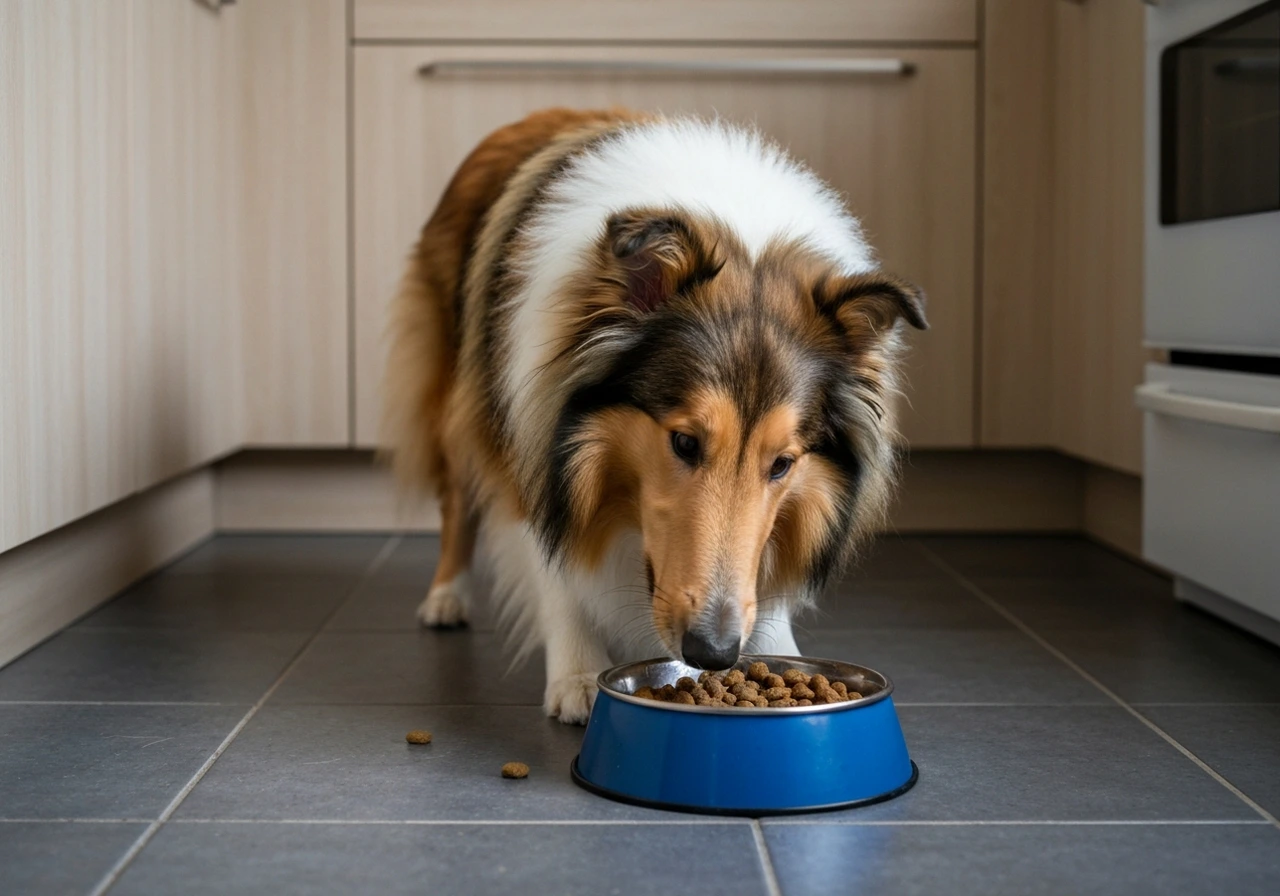
Kong toys are excellent because they can be stuffed with food, providing mental stimulation along with chewing satisfaction. Get several in different sizes so you always have a clean one ready.
Nylabone products offer durable chewing options. Choose size-appropriate options for puppies. Avoid anything that can be broken into small pieces or that feels too hard. A good test is the fingernail test: if you cannot make a dent with your fingernail, it may be too hard for puppy teeth.
Rope toys work well for interactive play but should be supervised. Some dogs shred rope toys and ingest the fibers, which can cause digestive blockages.
I bought an expensive assortment of toys before my puppy arrived. His favorites ended up being a five-dollar Kong and an empty water bottle. Every dog is different. Start with basics and learn what your individual puppy enjoys.
Grooming Basics
German Shepherds have a double coat that requires regular maintenance. Starting grooming early helps your puppy accept handling throughout their life.
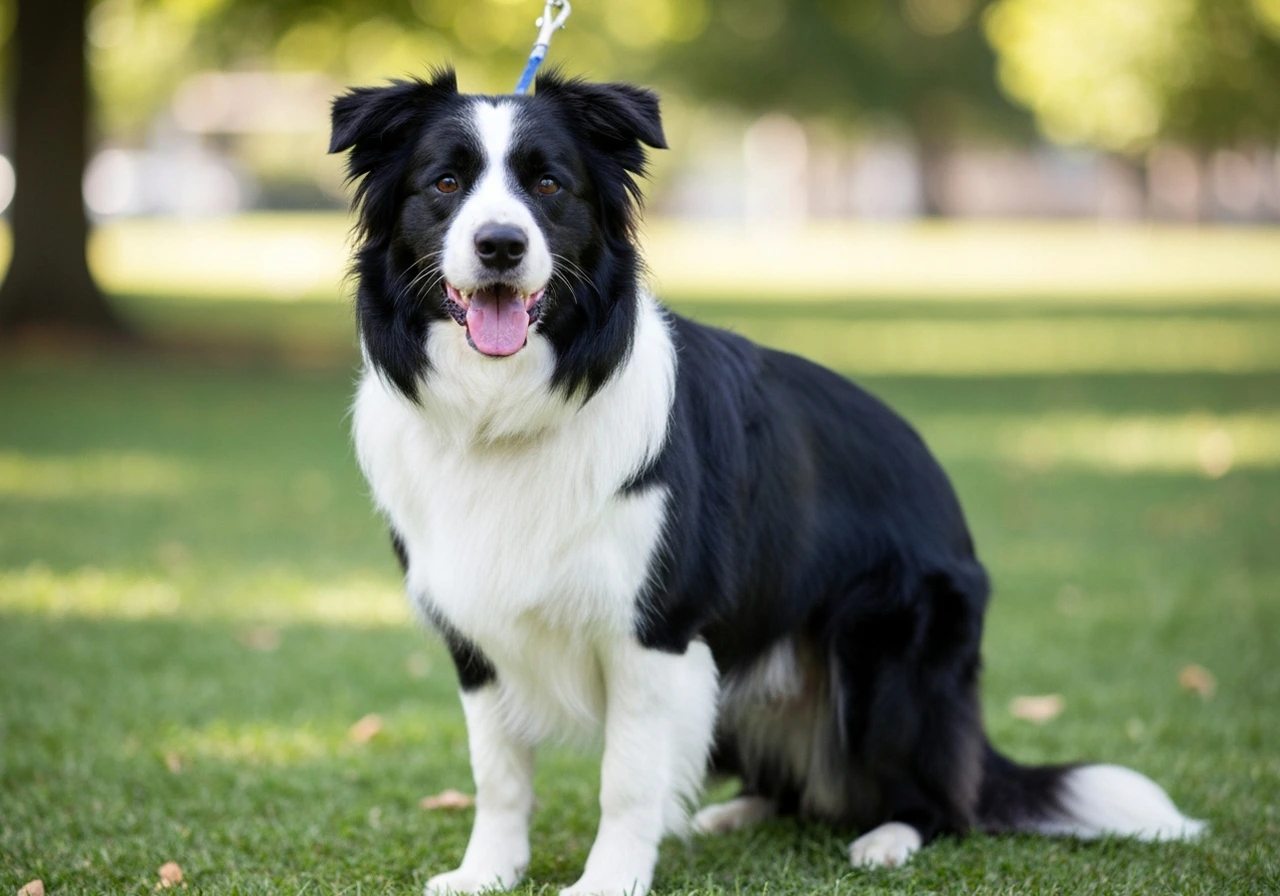
Slicker brush removes loose undercoat and prevents matting. Use gentle pressure, especially with a puppy who is still learning to enjoy grooming.
Nail clippers or grinder are essential. Puppy nails grow quickly and can become uncomfortably long. Many owners prefer grinders because they reduce the risk of cutting too short, but some dogs dislike the vibration and sound. Have both options available.
Puppy shampoo should be gentle and formulated specifically for dogs. Human shampoo has the wrong pH for dog skin and can cause irritation. You will not need to bathe your puppy often, but having shampoo on hand for the inevitable mud incident is wise.
Training Tools
Training begins the moment your puppy comes home. Having the right tools ready supports your efforts.
Training treats should be small, soft, and highly appealing. You will use many treats during training sessions, so small size matters. Treats should be no larger than a pea for a puppy. Soft treats can be consumed quickly without interrupting the training flow. The training basics guide explains how to use these treats effectively.
Treat pouch keeps treats accessible during training sessions and walks. This seems like a minor item, but fumbling in your pockets while trying to reward at the right moment undermines training effectiveness.
Long line is a fifteen to thirty-foot leash used for training recall and building off-leash reliability. You will not need this immediately, but having one before you start recall training prevents delays.
Health and Safety
Several items support your puppy's health and help you respond to minor issues without emergency veterinary visits.
Pet first aid kit should include gauze, medical tape, antiseptic wipes, tweezers for removing splinters or ticks, and styptic powder for nail bleeding. Pre-assembled kits are available, or you can build your own.
Flea and tick prevention should be discussed with your veterinarian. Many products are available, and the best choice depends on your location and lifestyle. Have something ready to start as soon as your vet recommends.
Poop bags are needed in large quantities. Buy in bulk. You will use far more than you expect. Biodegradable options are available if environmental impact concerns you.
What You Do Not Need Yet
Pet stores and online retailers will try to sell you many things your puppy does not need immediately. Save money by waiting on these items:
Dog beds can wait until your puppy is past the destructive chewing phase. Puppies often shred beds, and replacement gets expensive. A towel or old blanket in the crate works fine initially.
Fancy harnesses are not necessary for a young puppy. Start with a flat collar. Harnesses can be useful later for leash training, but introducing too much equipment at once complicates early training.
Dog clothing is rarely necessary for German Shepherds, whose double coat provides excellent insulation. Unless you live in an extremely cold climate, save your money.
Automatic feeders are not appropriate for puppies who need consistent scheduled feeding and portion control.
The Total Investment
Estimated Initial Supply Costs
This investment covers the essentials needed for your puppy's first several months. You will add to this over time as needs change and as you learn what your individual dog requires. But starting with quality basics prevents costly replacements and supports your puppy's health and development from day one. To understand how much time you will invest alongside this money, read about the real time commitment involved.
Once you have your supplies ready, the next step is preparing your home for your new arrival. For what to expect when your puppy actually comes through the door, read the guide on the first 48 hours. For the full financial picture beyond supplies, see budgeting for your first year, and to pick the medical partner you will rely on, the vet selection framework.